Submit your solution to begin the award submission process. Indicate whether you’ve already submitted a solution, then either select and update an existing one to reflect your latest data, or start a new submission if you haven’t yet added a solution.
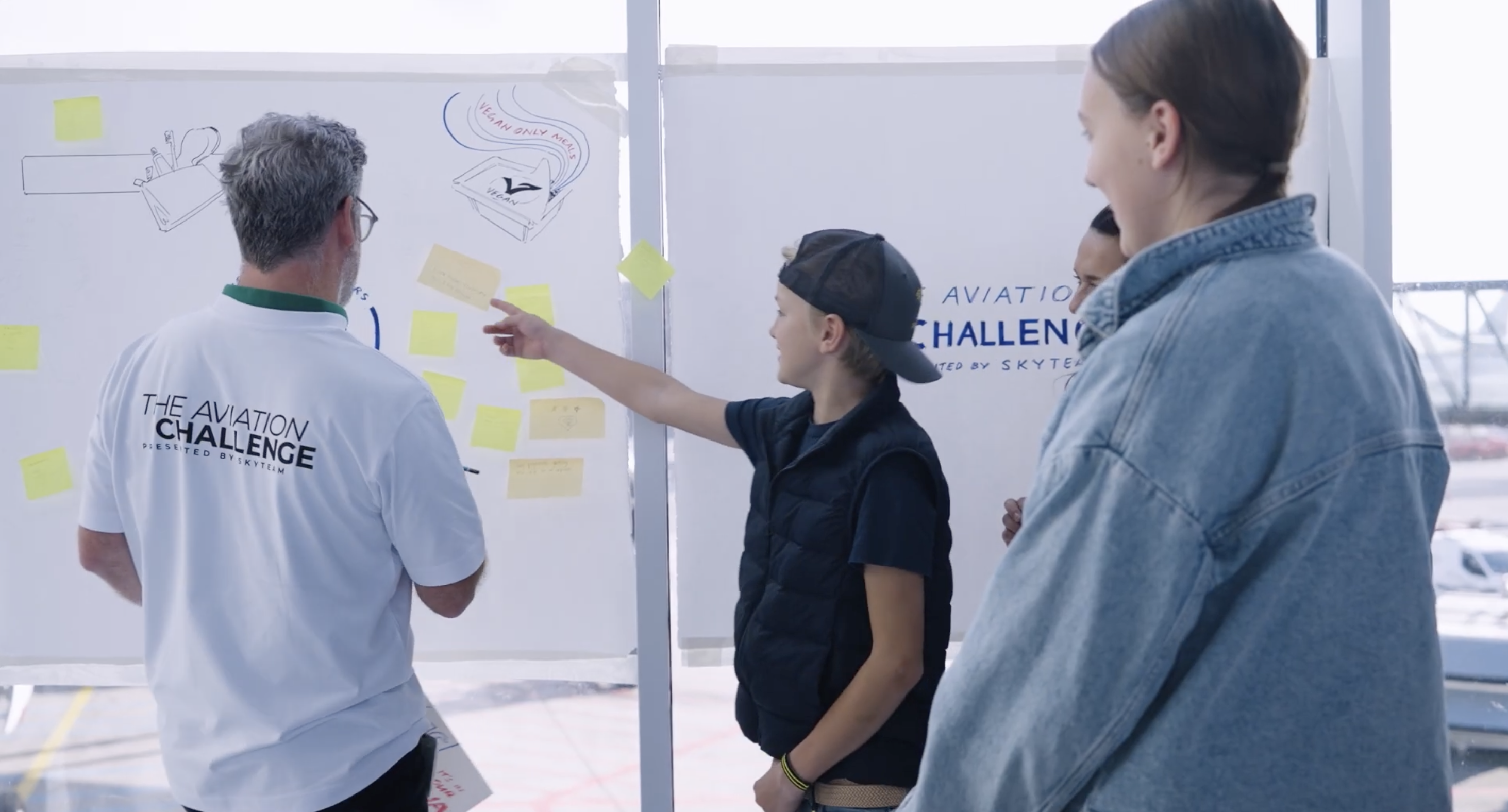
The Aviation Challenge(TAC) is expanding. Originally limited to SkyTeam member airlines, it now included non-SkyTeam airlines and. on a pilot basis, select airports. Future participation may extend to ground handlers, MROs, and other aviation stakeholders.
If your organization is interested in joining The Aviation Challenge, we'd be glad to explore the possibilities together with you. Please contact our Program Lead, Eric Kalali, via Eric.kalali@skyteam.com
• February: Official launch of the challenge year
• February-September: Working period during which participants develop, test and refine their initiatives
• September-October: TAC showcase flights are executed
• October-November: Data submission and expert evaluation
• December: Peer voting and jury consultation
• January 2026: Announcement of winners
• Commit to implementing at least one sustainability initiative
• Share measurable results and insights
• Support knowledge-sharing across the TAC community to inspire broader change

Most Impactful Solution - FlightOps

Most Impactful Solution - GroundOps
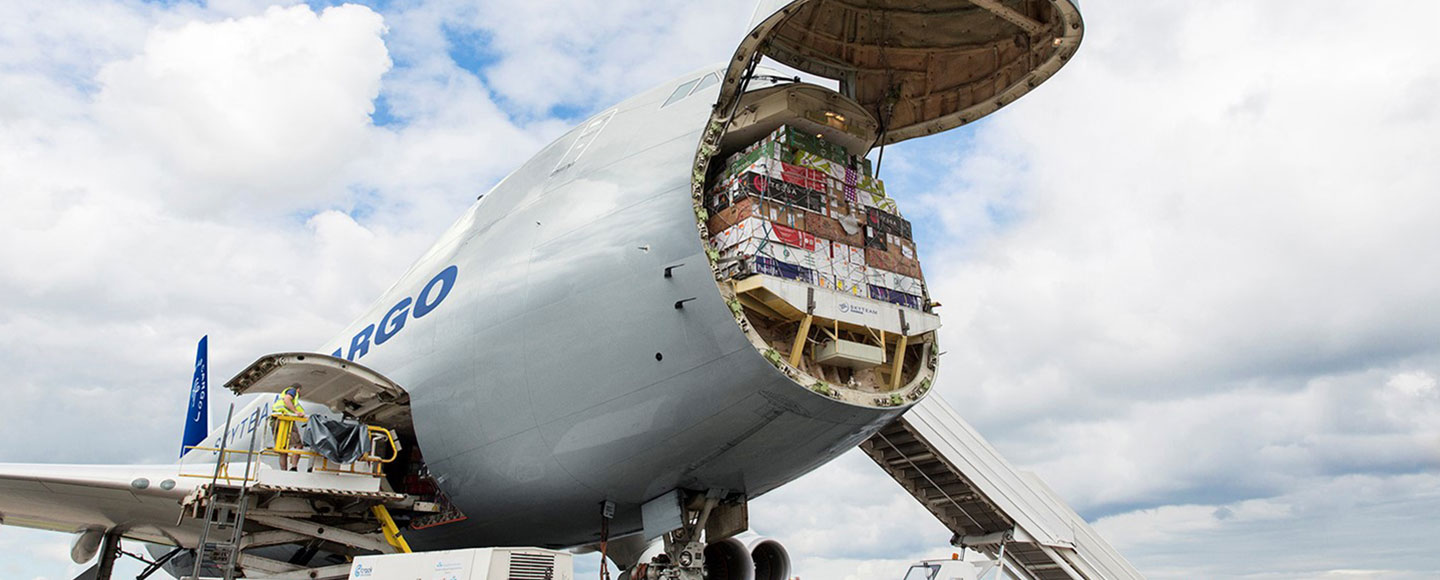
Most Impactful Solution - Cargo
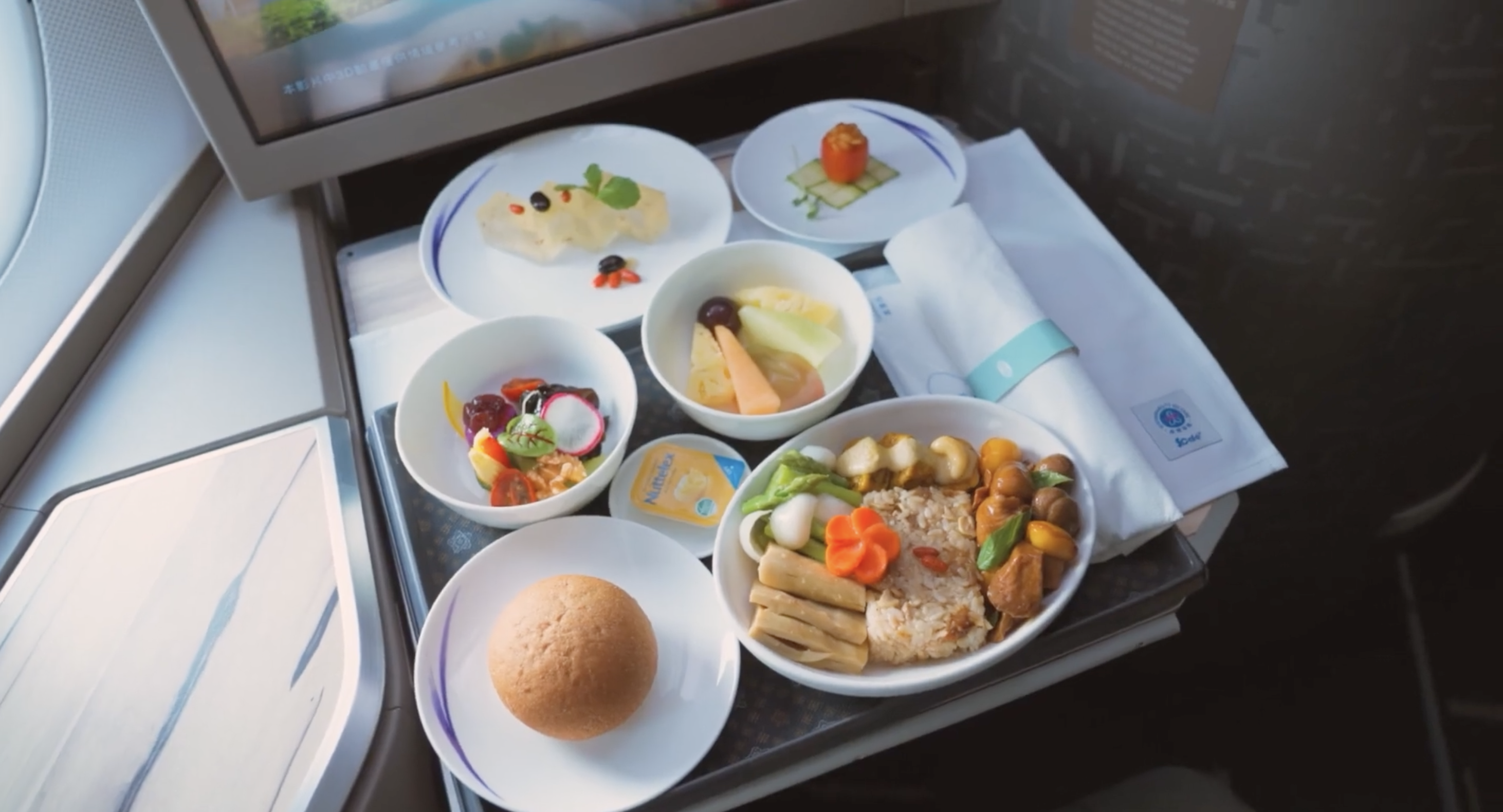
Most Impactful Solution - Catering
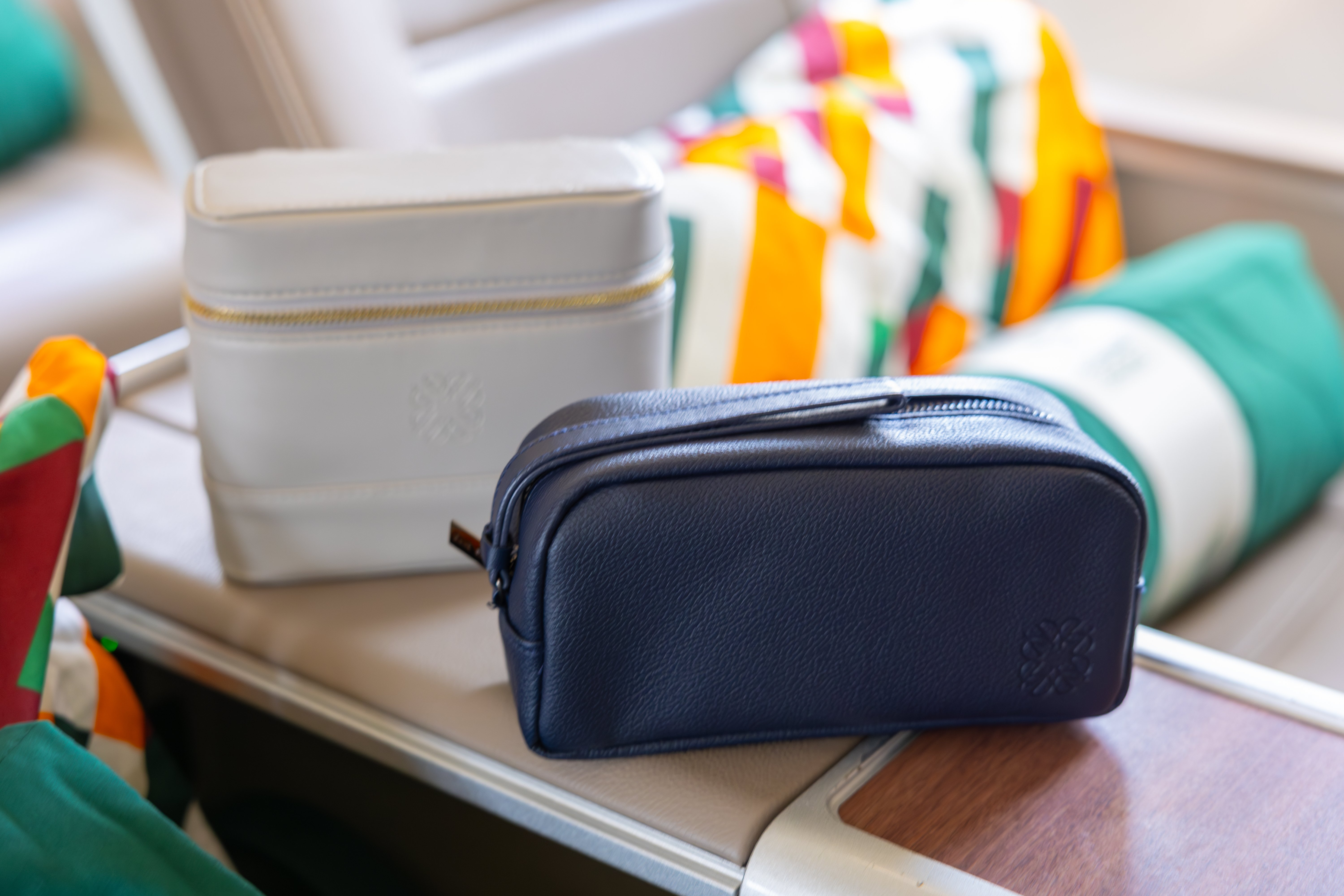
Most Impactful Solution - Inflight Product

Best Showcase Flight

Best Knowledge-Sharing Contribution

Most Compelling Story

Best In-Depth Article or Report

Game Changer of the Year

Team of the Year

Best Cross-Industry Collaboration
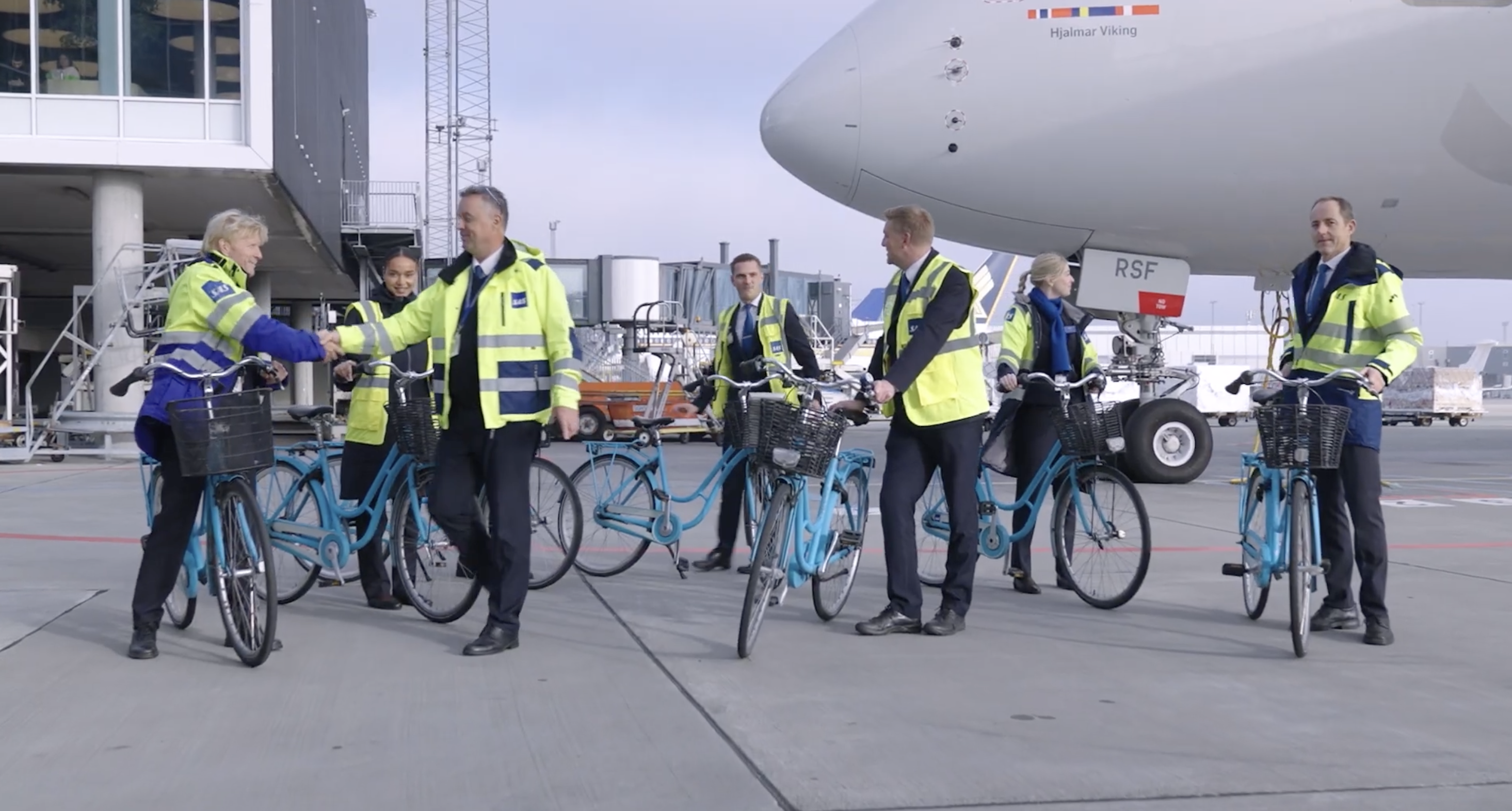
Pioneer of the Year

Excellence in Training and Development

Transformational Impact Through SAF

Sustainable Procurement and Supply Chain Excellence

Data and Insights Pioneer

Most Impactful Solution - MRO

2025 Winner: Most Impactful Solution MRO
In 2025, Delta deployed foam engine core washing across seven stations in North and South America. The maintenance-based intervention reduced annual fuel burn by 1.4 million gallons while supporting reliability and maintenance performance.
Implementation Process: Deployment and Station-Level Activation
The engine foam wash program was implemented in collaboration with AeroCore, working with Delta’s Propulsion Engineering and Line Maintenance teams to develop fleet- and station-specific procedures. Following trials, tooling development, and certification for each engine fleet, deployment was prepared across selected stations.
AeroCore provided the required equipment on site, performing the wash at the gate or remote pad, with Delta technicians supporting engine access and idling. The process usednucleated foam technology that enables detergent to adhere to airfoil surfaces and penetrate deeper into the engine core. Fleet-specific tooling, developed by Delta Engineering, ensures the wash is conducted without introducing cabin odors.
Before activation at each station, Delta reviewed network deployment plans and maintenance presence, engaging local Delta and municipal leaders where required. A joint activation plan between Delta and AeroCore addressed regulatory requirements, weather conditions, and operational constraints prior to rollout.
Measurable Impact: Operational Integration and Network Expansion
Operational Impact
In 2025, 7 key stations conducted approximately 75% of all engine core washes, with over 3,300 washes completed. Three additional stations are in the process of activation, and one is under review for 2026. Once active, the foam wash process is expected to become the primary engine wash program for Delta TechOps.
Environmental Impact
Replacing the traditional water wash program results in fuel savings of up to 4 million gallons per year, directly reducing carbon emissions, operating costs, and demand on natural resources. Additionally, all wash effluent is captured and treated in compliance with local regulations to protect local water systems.
Additional Impact: Operational Integration and Cross-Functional Coordination
The program embedded fleet-specific procedures, tooling, and certification into routine maintenance operations through structured collaboration between AeroCore and Delta Engineering and Line Maintenance teams.
Industry Learnings: Scaling Engine Core Cleaning in MRO Operations
This case innovation demonstrates how engine core washing, implemented through routine maintenance, can meaningfully reduce fuel burn and associated emissions from flight operations. Expansion to additional stations and evaluation of further use cases reflect a deliberate, stepwise approach to embedding proven, high-impact MRO practices into standard operating procedures.
Delta’s case provides a practical example of how engine washing can be structured, certified, and scaled within regular maintenance operations, while leaving room for further expansion and potential environmental performance gains.

2025 Winner: Pioneer of the Year
To accelerate the adoption of sustainable aviation fuel (SAF), KLM Cityhopper, the regional subsidiary of KLM Royal Dutch Airlines, launched the SAF Scale-Up pilot featuring 100% SAF tickets. While many travelers express support for lower-emission flying, participation in voluntary SAF programs has remained limited, creating a gap between intention and action.
Rather than relying on optional contributions, KLM Cityhopper redesigned the model by embedding the full cost of SAF directly into ticket prices on selected routes. This approach shifts SAF from an add-on to a built-in component of the travel product, testing whether sustainability can become a standard expectation rather than a discretionary choice.
By doing so, the initiative directly addresses one of the core barriers to SAF adoption, which is insufficient and inconsistent demand.
Implementation: Designing and Testing the 100% SAF Ticket Model
Embedding SAF into the Ticket Price
The 100% SAF ticket model was developed to test whether passengers would accept higher fares when sustainability is integrated into the core product.
Before launch, multiple pricing concepts were explored to determine how SAF costs could be incorporated effectively. The final model applies a surcharge to all local passengers on selected routes, embedding SAF costs directly into the ticket rather than presenting them as an optional add-on. This required rethinking traditional airline pricing structures and navigating system limitations, particularly in an industry that typically relies on optional ancillary services.
The tickets were introduced in June 2025 and applied to all flights from September 2025 on the Amsterdam to London City and Amsterdam to Hamburg routes. As a result, every local passenger on these routes automatically contributed to SAF procurement.
The surcharge collected is used to fund SAF through a mass-balance system, recognizing that operating aircraft on 100% SAF is not yet technically feasible. This approach allows airlines to scale SAF usage within existing infrastructure while building demand for future supply.
Understanding Passenger Response
To support the rollout, KLM Cityhopper focused on both communication and data collection.
Cabin crews were trained as sustainability ambassadors, equipping them to explain the SAF ticket concept and engage passengers in conversation during flights. At the same time, a partnership with Skyscanner enabled the airline to track customer behavior during the booking process through targeted messaging.
In addition to digital insights, on-the-ground interviews were conducted with passengers at Amsterdam, Hamburg, and London City airports. Combining these qualitative and quantitative inputs provided a more complete understanding of how passengers perceive and respond to SAF-inclusive pricing.
Measurable Impact
Embedding SAF into the ticket price led to a significant increase in participation compared with traditional voluntary models.
These results show that when sustainability is integrated into the default experience, participation increases dramatically and generates meaningful demand for SAF.

2025 Winner: Sustainability Training & Development
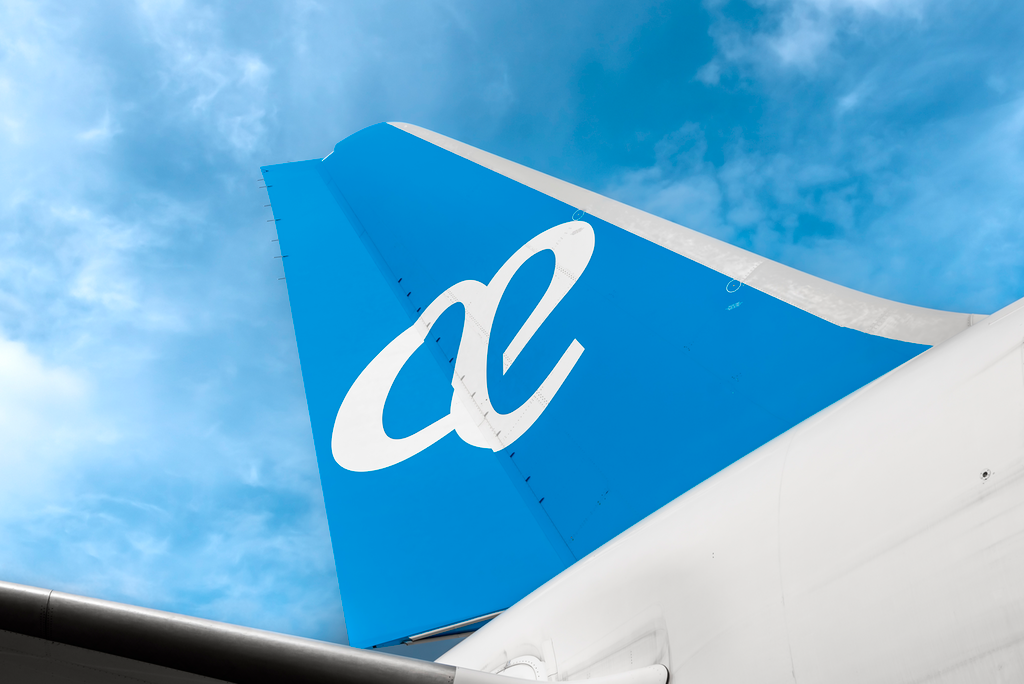
Before 2025, Air Europa’s sustainability training primarily focused on environmental management and regulatory compliance, providing limited coverage of broader ESG topics and leaving gaps in how sustainability was applied in daily operations. To address this limitation, the airline launched a redesigned Sustainability Training Program in 2025 with a comprehensive ESG focus aimed at embedding sustainability across all areas of the airline division.
The mandatory program covers all employees, including office staff, flight crews and maintenance teams, and combines online learning modules with in-person workshops to strengthen engagement and practical understanding. By expanding training beyond environmental compliance to include social and governance dimensions, the initiative helps employees better understand their role in achieving the company’s environmental and social goals.
This effort reflects Air Europa’s attempt to strengthen sustainability education as part of its corporate culture, embedding ESG awareness into employee learning and daily operations. The initiative was recognized when the airline was named the winner of the 2025 The Aviation Challenge award in the Sustainability Training and Development category.
Hybrid Sustainability Training: From Theory to Operational Practice
To make sustainability training more engaging and applicable to aviation operations, Air Europa designed the program as a hybrid learning system that combines digital education with practical operational training.
The digital modules introduce key sustainability concepts and topics such as circular economy, climate change, biodiversity, human rights, diversity and inclusion, workplace safety and sustainable business practices. To strengthen engagement and knowledge retention, the training incorporates interactive materials, videos, real case studies, and short quizzes throughout the course.
In addition to digital learning, the Environmental Sustainability team conducts in-person workshops for flight and maintenance crews. These sessions focus on practical demonstrations and open discussions addressing real operational challenges, such as onboard waste segregation. Additional onsite training is also organized at maintenance hangars and crew bases to reinforce proper waste management practices and responsible resource use in high-impact operational environments.
By linking theoretical learning with operational training, the program helps translate sustainability principles into daily actions across departments. Additionally, in order to ensure the program to continue evolving while strengthening sustainability awareness and operational practices across the organization, learning outcomes are monitored through feedback surveys from each participant and participation tracking.
Cultural Impact: Shifting Sustainability from Compliance to Daily Practice
The Sustainability Training Program has helped shift employee perception of sustainability from a corporate requirement to a shared value guiding everyday decisions across the organization. By December 2025, 75% of employees had completed the training, with full participation expected by the end of 2025.
As sustainability awareness increased, operational teams began translating the training into practical actions. Flight and maintenance crews became more proactive in waste segregation and reducing single use materials, while office teams increasingly incorporated sustainability considerations into project planning and procurement processes.
Employee surveys also indicate stronger engagement with Air Europa’s sustainability strategy and related initiatives, including The Aviation Challenge and operational efficiency programs, with the company’s commitment to sustainability receiving an average employee rating of 8.07 out of 10. These changes reflect a broader cultural shift across the organization, where sustainability is increasingly viewed as an integral part of the company’s identity and long-term operational performance.

2025 Winner: Best Cross-Industry Collaboration
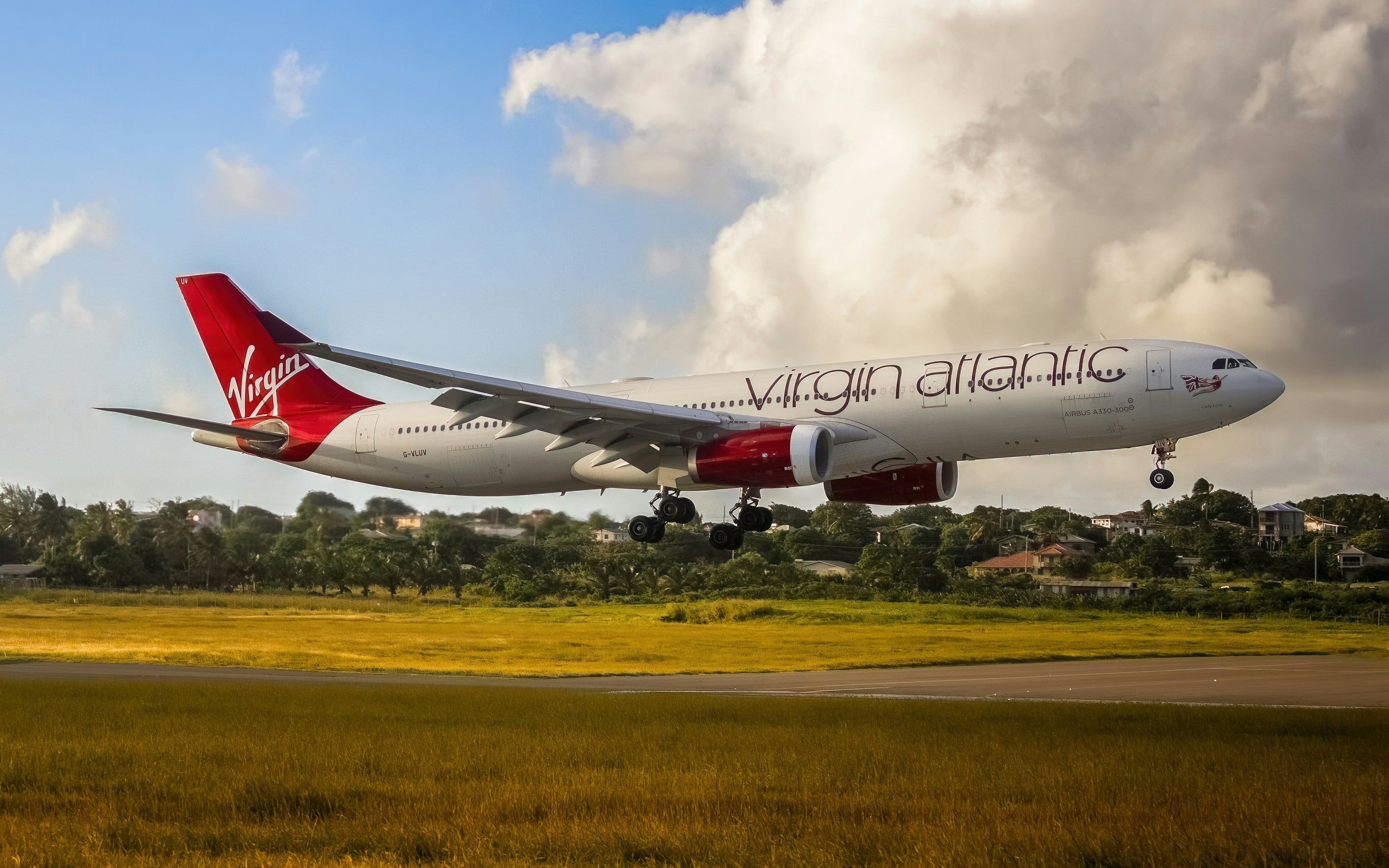
Under the SESAR program, Virgin Atlantic successfully conducted flight trials marking the beginning of operations, enabling progression towards future Wake Energy Retrieval (WER) capability — a concept in which one aircraft can safely fly within the aerodynamic wake of another to reduce fuel burn and emissions. While previously studied in simulations, this trial marked a critical shift from theory to real-world application.
The ambition was both simple and complex: to synchronize two commercial aircraft, operated by different airlines and departing from different airports, to meet at the same waypoint over the Atlantic at the same time. Achieving this required precise coordination across flight planning, air traffic control, and airline operations — all within existing regulatory and safety frameworks.
Between September and October 2025, 14 flights were planned, with six successfully completed. Virgin Atlantic operated four of these successful trials, with aircraft departing from London Heathrow and synchronizing in real time with partner flights from Paris and Amsterdam. These flights demonstratedthat formation-based operations could be executed safely and effectively within today’s aviation systems.
Implementation Process
The collaboration brought together airlines, manufacturers, and air navigation service providers to test how formation-based flight operations could be implemented in real-world conditions.
Cross-Industry Coordination and Operational Execution
A significant amount of manual coordination was required during the flight trials, with all stakeholders working closely together to determine the requirements for future implementation.
Replication and Scalability Consideration
Although the trials were conducted over the North Atlantic, the implementation was designed withglobal replication in mind. The procedures, communication protocols, and decision-support tools validated with Virgin Atlantic and its partners provide a structural approach that can be adaptable across different regions and traffic environments.
A key enabler of this scalability is the digital synchronization tool developed by Airbus and Eurocontrol to support collaboration between all partners. Integrated within Europe’s Network Manager platform, the tool provides a foundation that can be transferred to other regional air traffic management systemswithout major infrastructural change, offering a pathway toward harmonized international deployment.
By combining standardized operational procedures with shared digital tools, this approach demonstrates how formation-based flight operations can be implemented across regions, fleets, and air navigation service providers using a common coordination framework.
Measuring Impact
The trial demonstrated that complex multi-party communication and flight synchronization can be achieved safely and effectively in real-time within existing operational and regulatory frameworks.
The environmental potential is significant. Drawing on prior research, Wake Energy Retrieval could deliver up to 5% reductions in fuel burn and CO₂ emissions per flight, alongside additional benefits such as reduced contrail formation and improved aerodynamic efficiency.
Beyond emissions, the initiative also delivered meaningful operational impact. It strengthened trust and understanding across industry stakeholders, providing new insight into how airlines, manufacturers, and air navigation providers can work together more effectively. These learnings are now informing future programs, including SESAR’s GEESE project, and contributing to the development of global standards for formation-based flight.
Ultimately, this work reframes how progress can be achieved. It shows that while new technologiesremain essential, there is also immediate opportunity in how the industry operates today. By aligning systems, sharing data, and coordinating more intelligently, aviation can unlock measurable emissions reductions now.
2025 Winner: Best Showcase Flight
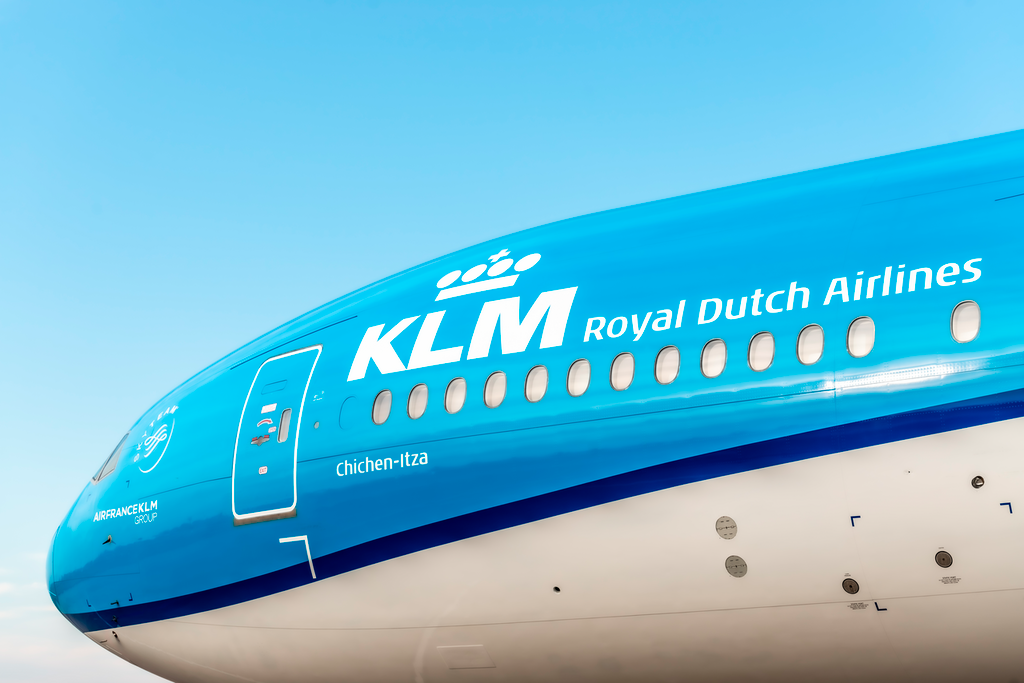
In 2025, KLM organized 28 showcase flights as part of The Aviation Challenge to test a range of initiatives. One of them was to explore a critical question for aviation sustainability: How can passenger engagement help accelerate the adoption of Sustainable Aviation Fuel (SAF)?
While SAF is widely recognized as a key pathway to reducing aviation emissions, passenger awareness and participation remain limited. KLM used these showcase flights as a live testing environment to better understand how to inform, engage, and motivate passengers to take part in SAF initiatives.
Testing Incentives and Awareness Strategies
To explore how passengers respond to sustainability initiatives, KLM tested a combination of incentives and education.
One key initiative was a SAF priority boarding pilot. Passengers who chose to contribute to SAF were offered priority boarding as a tangible benefit, creating a direct link between sustainable action and passenger experience.
To support this, KLM launched a dedicated SAF information website, helping passengers understand what SAF is, why it matters, and how they can contribute. This was reinforced through a short SAF video shown in the inflight entertainment system, extending the message beyond the booking journey and into the onboard experience.
Together, these efforts were designed to make SAF more visible, understandable, and actionable for passengers.
Measuring Impact
The campaign reached passengers through a targeted email sent to 3,044 travelers. Of those, 2,421 opened the message, resulting in an open rate of nearly 80%, a strong indicator of interest and engagement. Yet only 716 people clicked on the link, so we have a major step to take in terms of action.
While awareness increased significantly, SAF purchases did not rise at the same rate during the showcase flights. This highlights a key challenge. Even when passengers are informed and engaged, converting that awareness into action requires additional drivers.
On the operational side, delivering 28 showcase flights required extensive coordination across teams and introduced communication complexities. Despite this, the initiative generated strong internal engagement, with cockpit and cabin crews expressing enthusiasm about participating in a large-scale sustainability experiment.
2025 Winner: Best In-depth Article or Report
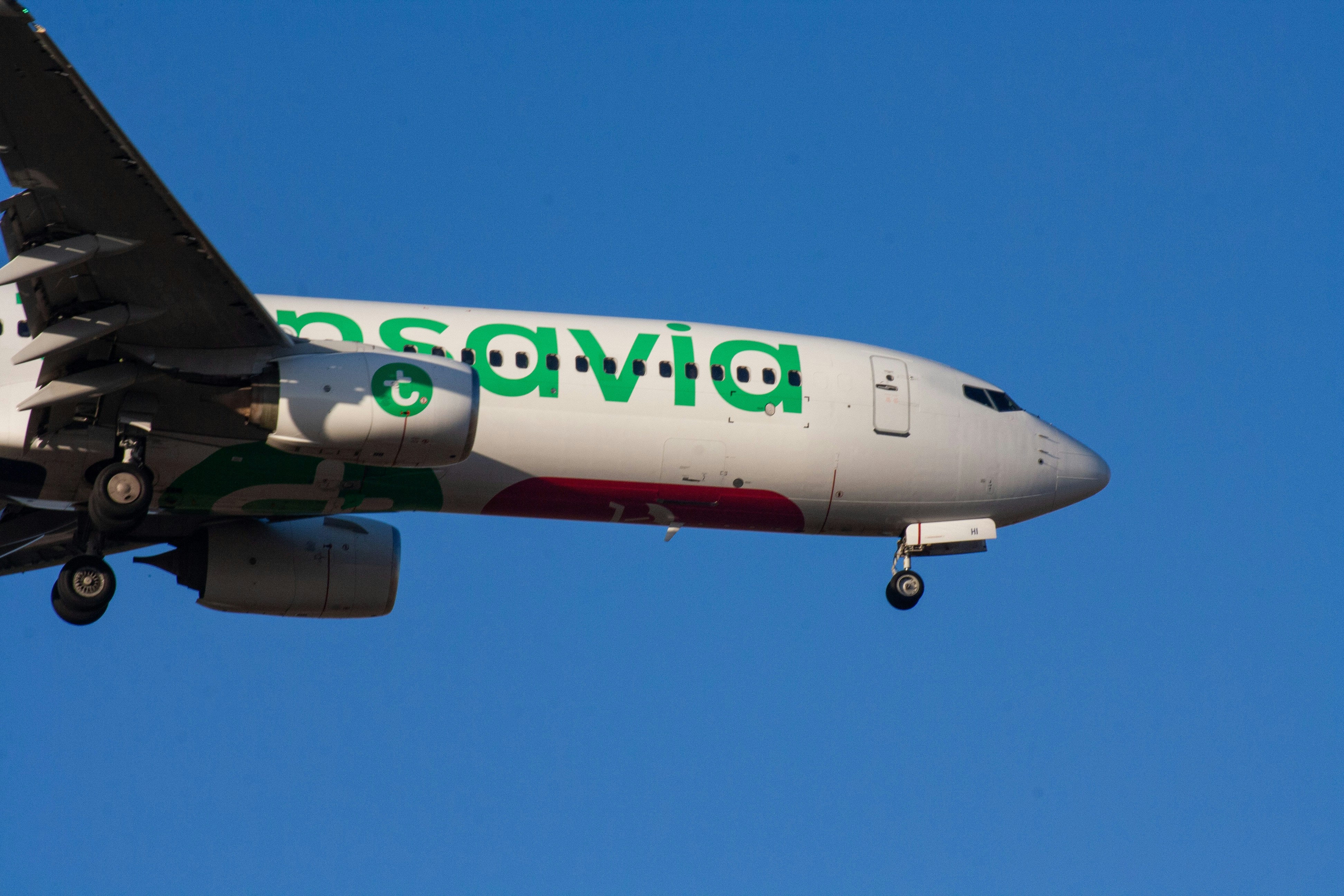
NOx and aircraft noise are no longer peripheral issues in aviation sustainability. For airlines such as Transavia, they directly shape regulatory exposure, airport access, community acceptance, and the credibility of broader environmental claims. Through its research report developed with TU Delft, Transavia shifted NOx and noise from abstract side effects of flying into operational risks that can be addressed through practical measures, moving non-CO₂ impacts from general concern to actionable strategy.
Implementation: Changing How Aircraft Are Used, Not Just What They Emit
The report shows that the most credible reductions come from better fleet use and better operating choices.
Together, these measures show that non-CO₂ progress does not depend only on waiting for future aircraft. It can also come from using current aircraft more intelligently.
Additionally, the report makes clear through stakeholder analysis that implementation is not purely technical. Airports, ground personnel, and engine manufacturers emerge as supportive actors, while near-airport communities and NGOs remain influential but critical voices in how these efforts are received and advanced.
That matters because the success of non-CO₂ mitigation depends not only on what an airline can model or certify, but on how well it can coordinate with the stakeholders who enable, scrutinize, or experience the outcome.
Measuring Impact: Compliance Resilience And Emissions Performance Improvement
The clearest quantified result is Transavia’s fleet transition from the Boeing 737-800 to the Airbus A321neo. According to the report, that shift can reduce NOx emissions by up to 35 percent and noise by about 7 dB. Those figures are not just technical improvements. They show that aircraft choice can materially lower both local pollution and community exposure before additional interventions are layered on top.
The selected mitigation measures also matter because they were filtered for feasibility, not just theoretical benefit. The study in the report concludes that route-aircraft optimization, winglet retrofitting, and N-1 taxiing are among the most effective and feasible options, and that they are technically viable, financially attractive, and scalable in the short to medium term. Although the gains are more incremental, they still carry operational value. For example, N-1 taxiing directly reduces NOx within the regulated LTO phase and can lower fee exposure without major capital investment, which makes it more than a procedural tweak. It becomes a compliance and cost-management tool as well.
Industry Insights: Non-CO₂ Progress Comes From Operational Discipline As Much As Technology
Learning from Transavia’s report, aviation’s non-CO₂ challenge will not be solved by future technology alone. It also depends on how well airlines use the aircraft, procedures, and stakeholder relationships they already have.
Transavia shows that when NOx and noise are treated as operationally manageable problems, airlines can begin reducing them through smarter planning, targeted retrofits, and disciplined ground procedures. In that sense, the path beyond CO₂ is not only about invention. It is also about execution.
2025 Winner: Data & Insights Pioneer
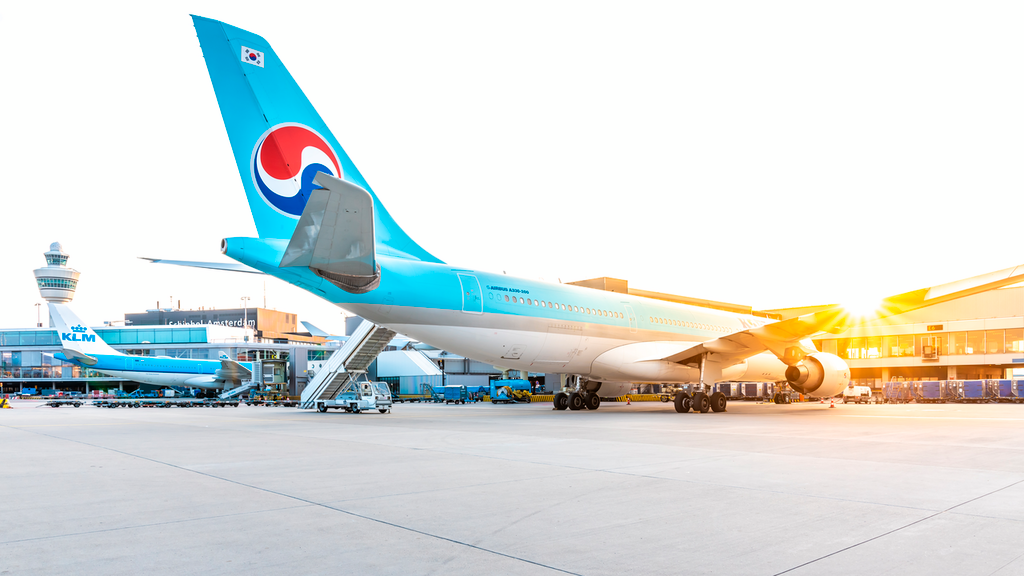
Accurately estimating aircraft payload is a long-standing operational challenge in aviation. Traditional planning methods rely on historical averages, which can fall short on routes with highly variable passenger profiles. These inconsistencies often lead to imprecise fuel loading, where even small inaccuracies in weight estimation can result in unnecessary fuel burn. To address this, Korean Air introduced an AI-based Payload Prediction System designed to bring greater precision to payload forecasting. By analyzing real-time passenger reservation data, the system improves accuracy while reducing reliance on manual planning processes. In doing so, it directly addresses one of the most immediate levers for reducing fuel consumption: aligning aircraft weight as closely as possible to actual demand.
Improving Fuel Efficiency through Data-Driven Payload Prediction
The AI-based system uses machine learning models trained on detailed reservation data, including ratio of passenger nationality, age group, and travel itineraries to calculate expected baggage weight. By identifying patterns across these variables, the system generates more accurate payload predictions ahead of each flight.
This shift from manual estimation to data-driven forecasting allows Korean Air to align fuel loading more precisely with actual aircraft weight. By reducing the need to carry excess fuel, the airline minimizes unnecessary weight on board, which in turn lowers fuel consumption across each flight.
With improved prediction accuracy, Korean Air reduced per-flight payload deviation by 34.2%, demonstrating how more precise planning can translate directly into operational efficiency and emissions reduction.
Measuring Impact
The implementation of the AI-based Payload Prediction System is expected to deliver both environmental and financial benefits at scale.
By minimizing excess fuel load, the system reduces fuel burn on every flight, contributing to lower emissions while improving overall operational performance.
Industry Insights
Korean Air’s initiative highlights how digital innovation can unlock immediate sustainability gains within existing operations. It shows that operational data, when effectively leveraged, can replace broad assumptions with precise, real-time decision-making. Improvements at the individual flight level can scale across an entire network, delivering meaningful reductions in both fuel consumption and cost.
This approach reinforces a broader shift within aviation, where decarbonization is not only driven by future technologies, but also by smarter, data-enabled operations that can be implemented today.

2025 Winner: Most Compelling Story
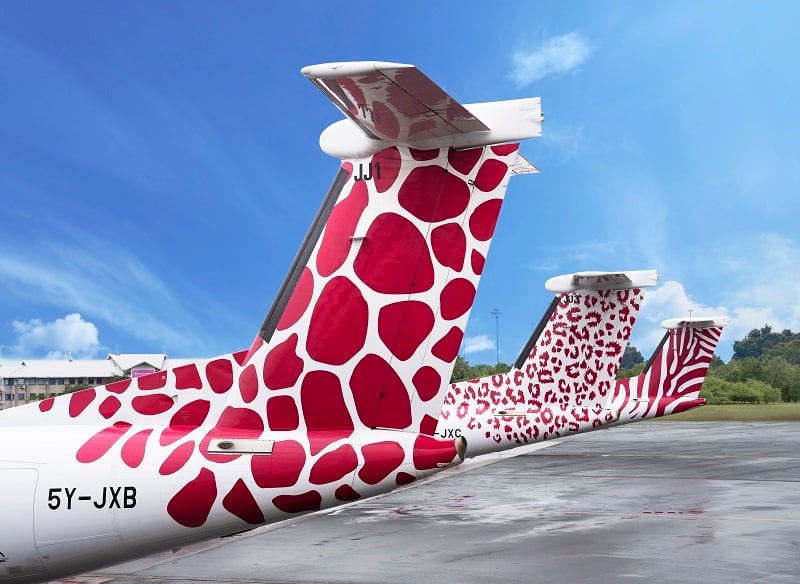
Jambojet initially organized beach cleanups along the Kenyan coast to remove plastic waste from coastal environments. However, the effort remained linear, as the collected waste was sorted and ultimately discarded. Through the collaboration with Plastiki Rafiki club, a non-profit student-led club at the International School of Kenya (ISK), the initiative evolved from simple waste collection into a small circular system linking environmental action with community participation, demonstrating how plastic waste could be repurposed instead of disposed of.
Plastic waste collected from beach cleanups and Jambojet’s flight operations was transformed into upcycled items such as fridge magnets and keychains by ISK students from PlastikiRafiki club working with artisans from the Mathare community in Nairobi. To ensure the continuous supply of the plastic, employees from Jambojet were encouraged to bring waste plastics from their houses, and Progressive Welfare Association of Malindi (PWAM), partnership with Jambojet, ensured continuous coastal cleanups, supporting the recycling process.
Overall, there have been over 1,000 kg of plastic diverted from landfills. 10 ISK students gained hands-on sustainability experience, and 15 Mathare artisans earned income themselvesby contributing to the sustainability initiative. Every magnet or keychain handed to a passenger represents a cleaner ocean and a more connected community, proving that Jambojet has successfully shifted the initiative from normal beach cleanups to innovative circular movement.
Multi-Stakeholder Involvement in the Initiative Transformation Process
To expand the initiative beyond isolated cleanup activities, Jambojet engaged multiple stakeholder groups across the airline’s operations and surrounding communities. ISK students from Plastiki Rafiki contributed ideas for repurposing plastic waste, while artisans from the Mathare community in Nairobi transformed collected plastics into upcycled items such as magnets and keychains.
Within the airline, Jambojet employees participated by collecting plastic waste and volunteering in cleanup activities. At airports, passengers were invited to take part through transparent recycling bins where plastic bottles could be deposited for souvenir manufacturing. By connecting students, local artisans, employees, and passengers within a single recycling process, the initiative demonstrated how collaborative action can turn waste management into a shared sustainability effort.
Community Participation as a Driver of Circular Initiatives
The partnership of Jambojet with Plastiki Rafiki illustrates how sustainability initiatives can gain traction when multiple stakeholder groups are actively involved. By combining the ideas of students, the craftsmanship of artisans from the Mathare community, and the participation of employees and passengers, the initiative shows how small-scale actions can contribute to broader environmental awareness and local economic opportunities.
The experience also encouraged Jambojet to explore additional reuse initiatives, such as producing bag tags from retired seat covers and laptop sleeves from repurposed billboards. More broadly, the case offers insight for the aviation sector by demonstrating how waste reduction efforts can be connected with community participation and circular reuse practices. It suggests that sustainability initiatives can extend beyond operational measures by engaging employees, passengers, and local communities in practical reuse activities.

2025 Winner: Most Impactful Solution FlightOps
Awarded The Most Impactful Solution – Flight Operations by the 2025 The Aviation Challenge, Air Europa implemented an integrated flight optimization approach that combines AI-powered OptiClimb climb management, performance-based aircraft allocation, and real-time flight planning using updated operational and meteorological data. The initiative targets reductions in fuel burn and emissions while improving operational performance through coordinated technical and procedural changes.
Implementation Process: Fleet-wide Deployment of AI-Driven Climb and Flight Planning Systems
in 2025, Air Europa transitioned its integrated flight optimization strategy from pilot phase to full deployment across its Boeing 737 and 787 fleets. The implementation combined three operational components: OptiClimb technology for climb phase adjustments, performance-based aircraft allocation, and real-time flight planning integrating live meteorological and aircraft performance data.
The rollout required coordinated action between flight operations, maintenance, and performance engineering teams to align flight procedures, aircraft performance parameters, and system interfaces. AI-driven climb optimization recommendations were embedded into standard flight planning workflows, with procedural updates integrated into the flight management system. Dedicated crew training ensured full familiarization prior to fleet-wide standardization.
By October 2025, more than 95% of flights were executed using AI-supported climb optimization within dynamic flight planning processes. The transition established the solution as standard operating practice across scheduled operations, delivering a reported 1.5–2.5% reduction in fuel burn per flight and a 1.2% improvement in on-time performance under variable weather conditions.
Measurable Impact: Network-Scale Environmental and Efficiency Results
Environmental Impact
Between November 2024 and October 2025, the full implementation of the integrated flight optimization process generated an estimated annual saving of 3,000 tons of fuel, corresponding to more than 10,000 tons of CO₂ emissions avoided. OptiClimb contributed average fuel savings of 80 - 120 kilograms per flight, depending on aircraft type, route, and meteorological conditions. More than 60,000 flights across the network applied AI-guided climb recommendations and real-time flight planning updates during the challenge period. Climb-phase efficiency improved by 2.1%, with smoother climb profiles also contributing to engine life preservation.
Operational and Financial Impact
Operational data show an average reduction of 0.5 minutes in flight time per sector. The combined efficiency gains translated into annual cost savings exceeding €3 million. Reported improvements also included enhanced punctuality and reliability. All results were validated through the airline’s fuel monitoring system and corroborated by the performance engineering team.
Practical Lessons: Scaling Data-Driven Optimization
In the Spring of 2025, this innovation was in initial implementation. By the Fall of 2025, it was fully deployed and embedded into standard operations across the Boeing 737 and 787 fleets, demonstrating a structured transition from limited application to network-wide integration.
This innovation underlines the role of continuous flight data analysis and cross-functional collaboration in sustaining reductions in fuel burn, CO₂, NOx, CO, and UHC, alongside punctuality and cost improvements. It also illustrates a feasible pathway for scaling AI-supported flight optimization from pilot phase to operational standard under validated monitoring.

2025 Winner: Most Impactful Solution GroundOps
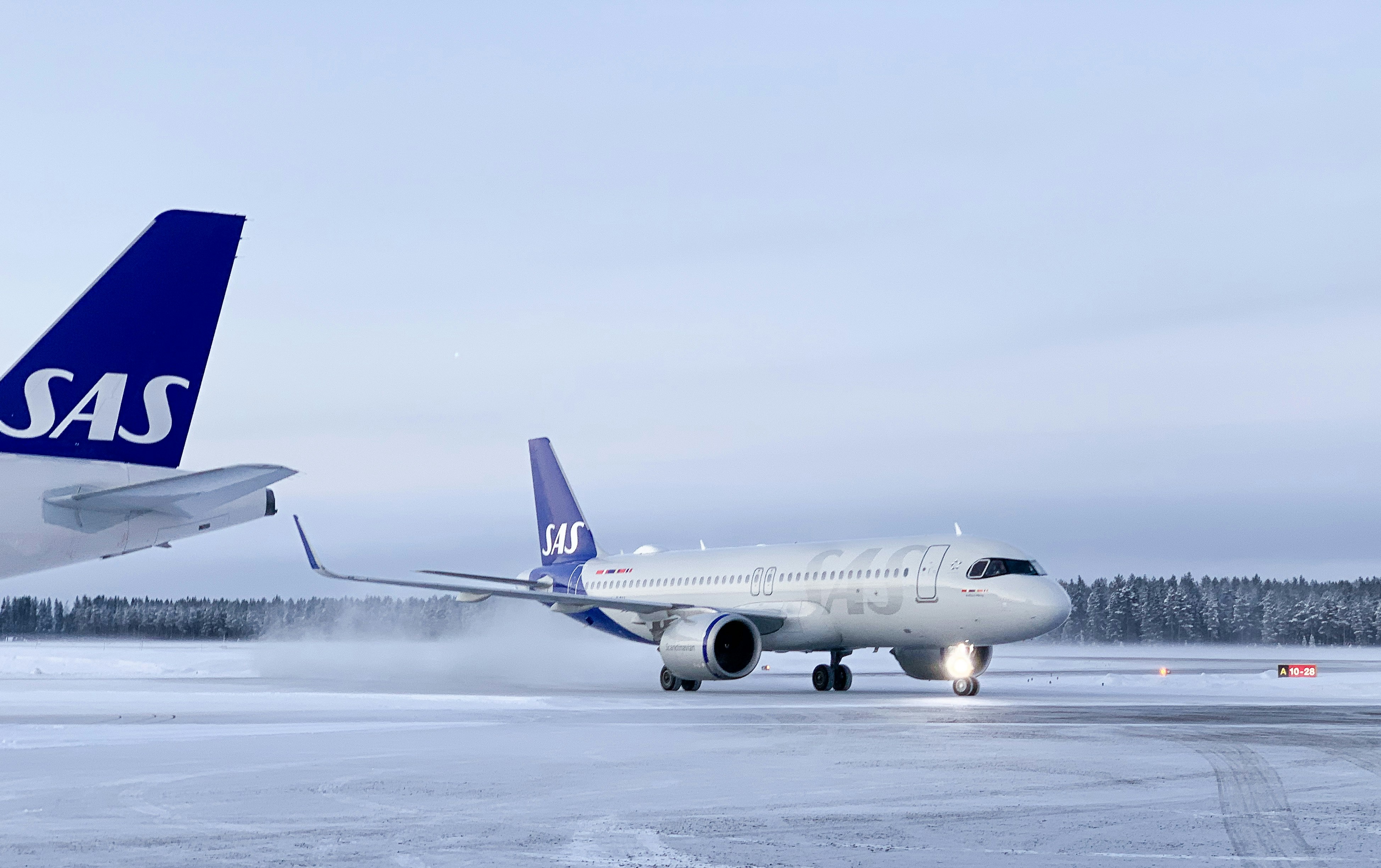
In 2025, Scandinavian Airlines Systems (SAS) improved the sustainability of its deicing and anti-icing operations by optimizing the use of mono propylene glycol (MPG) while maintainingstrict safety standards. Because deicing is a safety-critical winter operation that requires large volumes of fluid, improving measurement accuracy and fluid performance offers a practical way to reduce environmental impact.
Implementation Process: Advancing Sustainable De-/Anti-Icing Practices Through Industry Collaboration
Over the past year, SAS advanced its long-term effort optimize de/anti-icing operations while maintaining safety standards. The airline evaluated methods and technologies in active use, participated in industry innovation initiatives, and set requirements for manufacturers to develop more sustainable deicing and anti-icing fluids. Collaboration across the deicing industry supported incremental improvements in fluid performance and environmental impact.
Operationally, SAS worked proactively with Liquid Water Equivalent (LWE) and Holdovertime Detection System (HOTDS) from Canadian company SureWx to improve measurement accuracy and reduce unnecessary fluid use. By relying on more precise holdover time assessments, indicating how long anti-icing fluid protects treated aircraft surfaces, the airline minimized excess application compared with conventional METAR or visibility-based approaches.
The new de/anti-icing fluid Clariant Safewing MP I LFD Plus (88) Type I has been implemented in all of Scandinavia. Existing stocks of the previous fluid, Clariant Safewing MP I Eco Plus (80) Type I, will continue to be used until depleted, which is expected to happen during the season.
By utilizing Liquid Water Equivalent (LWE) stations, SAS improved measurement accuracy in de-icing and anti-icing operations, reducing fluid over-application and lowering overall glycol use by approximately 30%. This equates savings of 250–700 liters of fluid per de/anti-icing event, resulting in an estimated 140–462 kg reduction in jet fuel burns per event based on a typical seven-minute spray time.
The introduction of the Clariant Safewing MP I LFD Plus (88) Type I fluid, with higher glycol concentration and lower water content, further reduced total fluid volumes and transport requirements, while lower foaming characteristics limited unnecessary application. Together, these changes reduced runoff in uncontrolled areas, supported greater reliance on Type I fluid over more persistent alternatives, and delivered measurable environmental and operational benefits without compromising safety.
Through Vilokan’s purification process and a Scandinavian-wide collection chain, used glycol is now returned to Clariant in Uddevalla for circular reuse.
By 2024, 49% of glycol used in Scandinavia was recycled, ensuring supply security and stabilizing costs.
Improving Fluid Performance and Operational Precision
Beyond quantified savings, the updated de/anti-icing fluids were developed to meet the environmental requirements specified in Scandianvia. The reduced foaming of LFD 88 improves visibility during application, allowing operators to better assess contaminant removal and avoid overuse. This supports more precise spraying practices, enhances operational control during winter conditions, and contributes to improved runway friction as a secondary effect.
Industry Learning: Advancing Safety-Critical De-Icing Through Measurement and Process Control
SAS de/anti-icing program demonstrates how sustainability improvements can be integrated into a safety-critical function through enhanced measurement tools and process control. By replacing conventional METAR-based assessments with improved measuring methods and aligning fluid selection with environmental requirements, the initiative shows that emission and runoff reductions can be pursued without compromising operational safety.

2025 Winner: Most Impactful Solution MRO
In 2025, Delta deployed foam engine core washing across seven stations in North and South America. The maintenance-based intervention reduced annual fuel burn by 1.4 million gallons while supporting reliability and maintenance performance.
Implementation Process: Deployment and Station-Level Activation
The engine foam wash program was implemented in collaboration with AeroCore, working with Delta’s Propulsion Engineering and Line Maintenance teams to develop fleet- and station-specific procedures. Following trials, tooling development, and certification for each engine fleet, deployment was prepared across selected stations.
AeroCore provided the required equipment on site, performing the wash at the gate or remote pad, with Delta technicians supporting engine access and idling. The process usednucleated foam technology that enables detergent to adhere to airfoil surfaces and penetrate deeper into the engine core. Fleet-specific tooling, developed by Delta Engineering, ensures the wash is conducted without introducing cabin odors.
Before activation at each station, Delta reviewed network deployment plans and maintenance presence, engaging local Delta and municipal leaders where required. A joint activation plan between Delta and AeroCore addressed regulatory requirements, weather conditions, and operational constraints prior to rollout.
Measurable Impact: Operational Integration and Network Expansion
Operational Impact
In 2025, 7 key stations conducted approximately 75% of all engine core washes, with over 3,300 washes completed. Three additional stations are in the process of activation, and one is under review for 2026. Once active, the foam wash process is expected to become the primary engine wash program for Delta TechOps.
Environmental Impact
Replacing the traditional water wash program results in fuel savings of up to 4 million gallons per year, directly reducing carbon emissions, operating costs, and demand on natural resources. Additionally, all wash effluent is captured and treated in compliance with local regulations to protect local water systems.
Additional Impact: Operational Integration and Cross-Functional Coordination
The program embedded fleet-specific procedures, tooling, and certification into routine maintenance operations through structured collaboration between AeroCore and Delta Engineering and Line Maintenance teams.
Industry Learnings: Scaling Engine Core Cleaning in MRO Operations
This case innovation demonstrates how engine core washing, implemented through routine maintenance, can meaningfully reduce fuel burn and associated emissions from flight operations. Expansion to additional stations and evaluation of further use cases reflect a deliberate, stepwise approach to embedding proven, high-impact MRO practices into standard operating procedures.
Delta’s case provides a practical example of how engine washing can be structured, certified, and scaled within regular maintenance operations, while leaving room for further expansion and potential environmental performance gains.

2025 Winner: Pioneer of the Year
To accelerate the adoption of sustainable aviation fuel (SAF), KLM Cityhopper, the regional subsidiary of KLM Royal Dutch Airlines, launched the SAF Scale-Up pilot featuring 100% SAF tickets. While many travelers express support for lower-emission flying, participation in voluntary SAF programs has remained limited, creating a gap between intention and action.
Rather than relying on optional contributions, KLM Cityhopper redesigned the model by embedding the full cost of SAF directly into ticket prices on selected routes. This approach shifts SAF from an add-on to a built-in component of the travel product, testing whether sustainability can become a standard expectation rather than a discretionary choice.
By doing so, the initiative directly addresses one of the core barriers to SAF adoption, which is insufficient and inconsistent demand.
Implementation: Designing and Testing the 100% SAF Ticket Model
Embedding SAF into the Ticket Price
The 100% SAF ticket model was developed to test whether passengers would accept higher fares when sustainability is integrated into the core product.
Before launch, multiple pricing concepts were explored to determine how SAF costs could be incorporated effectively. The final model applies a surcharge to all local passengers on selected routes, embedding SAF costs directly into the ticket rather than presenting them as an optional add-on. This required rethinking traditional airline pricing structures and navigating system limitations, particularly in an industry that typically relies on optional ancillary services.
The tickets were introduced in June 2025 and applied to all flights from September 2025 on the Amsterdam to London City and Amsterdam to Hamburg routes. As a result, every local passenger on these routes automatically contributed to SAF procurement.
The surcharge collected is used to fund SAF through a mass-balance system, recognizing that operating aircraft on 100% SAF is not yet technically feasible. This approach allows airlines to scale SAF usage within existing infrastructure while building demand for future supply.
Understanding Passenger Response
To support the rollout, KLM Cityhopper focused on both communication and data collection.
Cabin crews were trained as sustainability ambassadors, equipping them to explain the SAF ticket concept and engage passengers in conversation during flights. At the same time, a partnership with Skyscanner enabled the airline to track customer behavior during the booking process through targeted messaging.
In addition to digital insights, on-the-ground interviews were conducted with passengers at Amsterdam, Hamburg, and London City airports. Combining these qualitative and quantitative inputs provided a more complete understanding of how passengers perceive and respond to SAF-inclusive pricing.
Measurable Impact
Embedding SAF into the ticket price led to a significant increase in participation compared with traditional voluntary models.
These results show that when sustainability is integrated into the default experience, participation increases dramatically and generates meaningful demand for SAF.

2025 Winner: Sustainability Training & Development
Before 2025, Air Europa’s sustainability training primarily focused on environmental management and regulatory compliance, providing limited coverage of broader ESG topics and leaving gaps in how sustainability was applied in daily operations. To address this limitation, the airline launched a redesigned Sustainability Training Program in 2025 with a comprehensive ESG focus aimed at embedding sustainability across all areas of the airline division.
The mandatory program covers all employees, including office staff, flight crews and maintenance teams, and combines online learning modules with in-person workshops to strengthen engagement and practical understanding. By expanding training beyond environmental compliance to include social and governance dimensions, the initiative helps employees better understand their role in achieving the company’s environmental and social goals.
This effort reflects Air Europa’s attempt to strengthen sustainability education as part of its corporate culture, embedding ESG awareness into employee learning and daily operations. The initiative was recognized when the airline was named the winner of the 2025 The Aviation Challenge award in the Sustainability Training and Development category.
Hybrid Sustainability Training: From Theory to Operational Practice
To make sustainability training more engaging and applicable to aviation operations, Air Europa designed the program as a hybrid learning system that combines digital education with practical operational training.
The digital modules introduce key sustainability concepts and topics such as circular economy, climate change, biodiversity, human rights, diversity and inclusion, workplace safety and sustainable business practices. To strengthen engagement and knowledge retention, the training incorporates interactive materials, videos, real case studies, and short quizzes throughout the course.
In addition to digital learning, the Environmental Sustainability team conducts in-person workshops for flight and maintenance crews. These sessions focus on practical demonstrations and open discussions addressing real operational challenges, such as onboard waste segregation. Additional onsite training is also organized at maintenance hangars and crew bases to reinforce proper waste management practices and responsible resource use in high-impact operational environments.
By linking theoretical learning with operational training, the program helps translate sustainability principles into daily actions across departments. Additionally, in order to ensure the program to continue evolving while strengthening sustainability awareness and operational practices across the organization, learning outcomes are monitored through feedback surveys from each participant and participation tracking.
Cultural Impact: Shifting Sustainability from Compliance to Daily Practice
The Sustainability Training Program has helped shift employee perception of sustainability from a corporate requirement to a shared value guiding everyday decisions across the organization. By December 2025, 75% of employees had completed the training, with full participation expected by the end of 2025.
As sustainability awareness increased, operational teams began translating the training into practical actions. Flight and maintenance crews became more proactive in waste segregation and reducing single use materials, while office teams increasingly incorporated sustainability considerations into project planning and procurement processes.
Employee surveys also indicate stronger engagement with Air Europa’s sustainability strategy and related initiatives, including The Aviation Challenge and operational efficiency programs, with the company’s commitment to sustainability receiving an average employee rating of 8.07 out of 10. These changes reflect a broader cultural shift across the organization, where sustainability is increasingly viewed as an integral part of the company’s identity and long-term operational performance.

2025 Winner: Best Cross-Industry Collaboration
Under the SESAR program, Virgin Atlantic successfully conducted flight trials marking the beginning of operations, enabling progression towards future Wake Energy Retrieval (WER) capability — a concept in which one aircraft can safely fly within the aerodynamic wake of another to reduce fuel burn and emissions. While previously studied in simulations, this trial marked a critical shift from theory to real-world application.
The ambition was both simple and complex: to synchronize two commercial aircraft, operated by different airlines and departing from different airports, to meet at the same waypoint over the Atlantic at the same time. Achieving this required precise coordination across flight planning, air traffic control, and airline operations — all within existing regulatory and safety frameworks.
Between September and October 2025, 14 flights were planned, with six successfully completed. Virgin Atlantic operated four of these successful trials, with aircraft departing from London Heathrow and synchronizing in real time with partner flights from Paris and Amsterdam. These flights demonstratedthat formation-based operations could be executed safely and effectively within today’s aviation systems.
Implementation Process
The collaboration brought together airlines, manufacturers, and air navigation service providers to test how formation-based flight operations could be implemented in real-world conditions.
Cross-Industry Coordination and Operational Execution
A significant amount of manual coordination was required during the flight trials, with all stakeholders working closely together to determine the requirements for future implementation.
Replication and Scalability Consideration
Although the trials were conducted over the North Atlantic, the implementation was designed withglobal replication in mind. The procedures, communication protocols, and decision-support tools validated with Virgin Atlantic and its partners provide a structural approach that can be adaptable across different regions and traffic environments.
A key enabler of this scalability is the digital synchronization tool developed by Airbus and Eurocontrol to support collaboration between all partners. Integrated within Europe’s Network Manager platform, the tool provides a foundation that can be transferred to other regional air traffic management systemswithout major infrastructural change, offering a pathway toward harmonized international deployment.
By combining standardized operational procedures with shared digital tools, this approach demonstrates how formation-based flight operations can be implemented across regions, fleets, and air navigation service providers using a common coordination framework.
Measuring Impact
The trial demonstrated that complex multi-party communication and flight synchronization can be achieved safely and effectively in real-time within existing operational and regulatory frameworks.
The environmental potential is significant. Drawing on prior research, Wake Energy Retrieval could deliver up to 5% reductions in fuel burn and CO₂ emissions per flight, alongside additional benefits such as reduced contrail formation and improved aerodynamic efficiency.
Beyond emissions, the initiative also delivered meaningful operational impact. It strengthened trust and understanding across industry stakeholders, providing new insight into how airlines, manufacturers, and air navigation providers can work together more effectively. These learnings are now informing future programs, including SESAR’s GEESE project, and contributing to the development of global standards for formation-based flight.
Ultimately, this work reframes how progress can be achieved. It shows that while new technologiesremain essential, there is also immediate opportunity in how the industry operates today. By aligning systems, sharing data, and coordinating more intelligently, aviation can unlock measurable emissions reductions now.

2025 Winner: Best Showcase Flight
In 2025, KLM organized 28 showcase flights as part of The Aviation Challenge to test a range of initiatives. One of them was to explore a critical question for aviation sustainability: How can passenger engagement help accelerate the adoption of Sustainable Aviation Fuel (SAF)?
While SAF is widely recognized as a key pathway to reducing aviation emissions, passenger awareness and participation remain limited. KLM used these showcase flights as a live testing environment to better understand how to inform, engage, and motivate passengers to take part in SAF initiatives.
Testing Incentives and Awareness Strategies
To explore how passengers respond to sustainability initiatives, KLM tested a combination of incentives and education.
One key initiative was a SAF priority boarding pilot. Passengers who chose to contribute to SAF were offered priority boarding as a tangible benefit, creating a direct link between sustainable action and passenger experience.
To support this, KLM launched a dedicated SAF information website, helping passengers understand what SAF is, why it matters, and how they can contribute. This was reinforced through a short SAF video shown in the inflight entertainment system, extending the message beyond the booking journey and into the onboard experience.
Together, these efforts were designed to make SAF more visible, understandable, and actionable for passengers.
Measuring Impact
The campaign reached passengers through a targeted email sent to 3,044 travelers. Of those, 2,421 opened the message, resulting in an open rate of nearly 80%, a strong indicator of interest and engagement. Yet only 716 people clicked on the link, so we have a major step to take in terms of action.
While awareness increased significantly, SAF purchases did not rise at the same rate during the showcase flights. This highlights a key challenge. Even when passengers are informed and engaged, converting that awareness into action requires additional drivers.
On the operational side, delivering 28 showcase flights required extensive coordination across teams and introduced communication complexities. Despite this, the initiative generated strong internal engagement, with cockpit and cabin crews expressing enthusiasm about participating in a large-scale sustainability experiment.

2025 Winner: Best In-depth Article or Report
NOx and aircraft noise are no longer peripheral issues in aviation sustainability. For airlines such as Transavia, they directly shape regulatory exposure, airport access, community acceptance, and the credibility of broader environmental claims. Through its research report developed with TU Delft, Transavia shifted NOx and noise from abstract side effects of flying into operational risks that can be addressed through practical measures, moving non-CO₂ impacts from general concern to actionable strategy.
Implementation: Changing How Aircraft Are Used, Not Just What They Emit
The report shows that the most credible reductions come from better fleet use and better operating choices.
Together, these measures show that non-CO₂ progress does not depend only on waiting for future aircraft. It can also come from using current aircraft more intelligently.
Additionally, the report makes clear through stakeholder analysis that implementation is not purely technical. Airports, ground personnel, and engine manufacturers emerge as supportive actors, while near-airport communities and NGOs remain influential but critical voices in how these efforts are received and advanced.
That matters because the success of non-CO₂ mitigation depends not only on what an airline can model or certify, but on how well it can coordinate with the stakeholders who enable, scrutinize, or experience the outcome.
Measuring Impact: Compliance Resilience And Emissions Performance Improvement
The clearest quantified result is Transavia’s fleet transition from the Boeing 737-800 to the Airbus A321neo. According to the report, that shift can reduce NOx emissions by up to 35 percent and noise by about 7 dB. Those figures are not just technical improvements. They show that aircraft choice can materially lower both local pollution and community exposure before additional interventions are layered on top.
The selected mitigation measures also matter because they were filtered for feasibility, not just theoretical benefit. The study in the report concludes that route-aircraft optimization, winglet retrofitting, and N-1 taxiing are among the most effective and feasible options, and that they are technically viable, financially attractive, and scalable in the short to medium term. Although the gains are more incremental, they still carry operational value. For example, N-1 taxiing directly reduces NOx within the regulated LTO phase and can lower fee exposure without major capital investment, which makes it more than a procedural tweak. It becomes a compliance and cost-management tool as well.
Industry Insights: Non-CO₂ Progress Comes From Operational Discipline As Much As Technology
Learning from Transavia’s report, aviation’s non-CO₂ challenge will not be solved by future technology alone. It also depends on how well airlines use the aircraft, procedures, and stakeholder relationships they already have.
Transavia shows that when NOx and noise are treated as operationally manageable problems, airlines can begin reducing them through smarter planning, targeted retrofits, and disciplined ground procedures. In that sense, the path beyond CO₂ is not only about invention. It is also about execution.

2025 Winner: Data & Insights Pioneer
Accurately estimating aircraft payload is a long-standing operational challenge in aviation. Traditional planning methods rely on historical averages, which can fall short on routes with highly variable passenger profiles. These inconsistencies often lead to imprecise fuel loading, where even small inaccuracies in weight estimation can result in unnecessary fuel burn. To address this, Korean Air introduced an AI-based Payload Prediction System designed to bring greater precision to payload forecasting. By analyzing real-time passenger reservation data, the system improves accuracy while reducing reliance on manual planning processes. In doing so, it directly addresses one of the most immediate levers for reducing fuel consumption: aligning aircraft weight as closely as possible to actual demand.
Improving Fuel Efficiency through Data-Driven Payload Prediction
The AI-based system uses machine learning models trained on detailed reservation data, including ratio of passenger nationality, age group, and travel itineraries to calculate expected baggage weight. By identifying patterns across these variables, the system generates more accurate payload predictions ahead of each flight.
This shift from manual estimation to data-driven forecasting allows Korean Air to align fuel loading more precisely with actual aircraft weight. By reducing the need to carry excess fuel, the airline minimizes unnecessary weight on board, which in turn lowers fuel consumption across each flight.
With improved prediction accuracy, Korean Air reduced per-flight payload deviation by 34.2%, demonstrating how more precise planning can translate directly into operational efficiency and emissions reduction.
Measuring Impact
The implementation of the AI-based Payload Prediction System is expected to deliver both environmental and financial benefits at scale.
By minimizing excess fuel load, the system reduces fuel burn on every flight, contributing to lower emissions while improving overall operational performance.
Industry Insights
Korean Air’s initiative highlights how digital innovation can unlock immediate sustainability gains within existing operations. It shows that operational data, when effectively leveraged, can replace broad assumptions with precise, real-time decision-making. Improvements at the individual flight level can scale across an entire network, delivering meaningful reductions in both fuel consumption and cost.
This approach reinforces a broader shift within aviation, where decarbonization is not only driven by future technologies, but also by smarter, data-enabled operations that can be implemented today.

2025 Winner: Most Compelling Story
Jambojet initially organized beach cleanups along the Kenyan coast to remove plastic waste from coastal environments. However, the effort remained linear, as the collected waste was sorted and ultimately discarded. Through the collaboration with Plastiki Rafiki club, a non-profit student-led club at the International School of Kenya (ISK), the initiative evolved from simple waste collection into a small circular system linking environmental action with community participation, demonstrating how plastic waste could be repurposed instead of disposed of.
Plastic waste collected from beach cleanups and Jambojet’s flight operations was transformed into upcycled items such as fridge magnets and keychains by ISK students from PlastikiRafiki club working with artisans from the Mathare community in Nairobi. To ensure the continuous supply of the plastic, employees from Jambojet were encouraged to bring waste plastics from their houses, and Progressive Welfare Association of Malindi (PWAM), partnership with Jambojet, ensured continuous coastal cleanups, supporting the recycling process.
Overall, there have been over 1,000 kg of plastic diverted from landfills. 10 ISK students gained hands-on sustainability experience, and 15 Mathare artisans earned income themselvesby contributing to the sustainability initiative. Every magnet or keychain handed to a passenger represents a cleaner ocean and a more connected community, proving that Jambojet has successfully shifted the initiative from normal beach cleanups to innovative circular movement.
Multi-Stakeholder Involvement in the Initiative Transformation Process
To expand the initiative beyond isolated cleanup activities, Jambojet engaged multiple stakeholder groups across the airline’s operations and surrounding communities. ISK students from Plastiki Rafiki contributed ideas for repurposing plastic waste, while artisans from the Mathare community in Nairobi transformed collected plastics into upcycled items such as magnets and keychains.
Within the airline, Jambojet employees participated by collecting plastic waste and volunteering in cleanup activities. At airports, passengers were invited to take part through transparent recycling bins where plastic bottles could be deposited for souvenir manufacturing. By connecting students, local artisans, employees, and passengers within a single recycling process, the initiative demonstrated how collaborative action can turn waste management into a shared sustainability effort.
Community Participation as a Driver of Circular Initiatives
The partnership of Jambojet with Plastiki Rafiki illustrates how sustainability initiatives can gain traction when multiple stakeholder groups are actively involved. By combining the ideas of students, the craftsmanship of artisans from the Mathare community, and the participation of employees and passengers, the initiative shows how small-scale actions can contribute to broader environmental awareness and local economic opportunities.
The experience also encouraged Jambojet to explore additional reuse initiatives, such as producing bag tags from retired seat covers and laptop sleeves from repurposed billboards. More broadly, the case offers insight for the aviation sector by demonstrating how waste reduction efforts can be connected with community participation and circular reuse practices. It suggests that sustainability initiatives can extend beyond operational measures by engaging employees, passengers, and local communities in practical reuse activities.

2025 Winner: Most Impactful Solution FlightOps
Awarded The Most Impactful Solution – Flight Operations by the 2025 The Aviation Challenge, Air Europa implemented an integrated flight optimization approach that combines AI-powered OptiClimb climb management, performance-based aircraft allocation, and real-time flight planning using updated operational and meteorological data. The initiative targets reductions in fuel burn and emissions while improving operational performance through coordinated technical and procedural changes.
Implementation Process: Fleet-wide Deployment of AI-Driven Climb and Flight Planning Systems
in 2025, Air Europa transitioned its integrated flight optimization strategy from pilot phase to full deployment across its Boeing 737 and 787 fleets. The implementation combined three operational components: OptiClimb technology for climb phase adjustments, performance-based aircraft allocation, and real-time flight planning integrating live meteorological and aircraft performance data.
The rollout required coordinated action between flight operations, maintenance, and performance engineering teams to align flight procedures, aircraft performance parameters, and system interfaces. AI-driven climb optimization recommendations were embedded into standard flight planning workflows, with procedural updates integrated into the flight management system. Dedicated crew training ensured full familiarization prior to fleet-wide standardization.
By October 2025, more than 95% of flights were executed using AI-supported climb optimization within dynamic flight planning processes. The transition established the solution as standard operating practice across scheduled operations, delivering a reported 1.5–2.5% reduction in fuel burn per flight and a 1.2% improvement in on-time performance under variable weather conditions.
Measurable Impact: Network-Scale Environmental and Efficiency Results
Environmental Impact
Between November 2024 and October 2025, the full implementation of the integrated flight optimization process generated an estimated annual saving of 3,000 tons of fuel, corresponding to more than 10,000 tons of CO₂ emissions avoided. OptiClimb contributed average fuel savings of 80 - 120 kilograms per flight, depending on aircraft type, route, and meteorological conditions. More than 60,000 flights across the network applied AI-guided climb recommendations and real-time flight planning updates during the challenge period. Climb-phase efficiency improved by 2.1%, with smoother climb profiles also contributing to engine life preservation.
Operational and Financial Impact
Operational data show an average reduction of 0.5 minutes in flight time per sector. The combined efficiency gains translated into annual cost savings exceeding €3 million. Reported improvements also included enhanced punctuality and reliability. All results were validated through the airline’s fuel monitoring system and corroborated by the performance engineering team.
Practical Lessons: Scaling Data-Driven Optimization
In the Spring of 2025, this innovation was in initial implementation. By the Fall of 2025, it was fully deployed and embedded into standard operations across the Boeing 737 and 787 fleets, demonstrating a structured transition from limited application to network-wide integration.
This innovation underlines the role of continuous flight data analysis and cross-functional collaboration in sustaining reductions in fuel burn, CO₂, NOx, CO, and UHC, alongside punctuality and cost improvements. It also illustrates a feasible pathway for scaling AI-supported flight optimization from pilot phase to operational standard under validated monitoring.

2025 Winner: Most Impactful Solution GroundOps
In 2025, Scandinavian Airlines Systems (SAS) improved the sustainability of its deicing and anti-icing operations by optimizing the use of mono propylene glycol (MPG) while maintainingstrict safety standards. Because deicing is a safety-critical winter operation that requires large volumes of fluid, improving measurement accuracy and fluid performance offers a practical way to reduce environmental impact.
Implementation Process: Advancing Sustainable De-/Anti-Icing Practices Through Industry Collaboration
Over the past year, SAS advanced its long-term effort optimize de/anti-icing operations while maintaining safety standards. The airline evaluated methods and technologies in active use, participated in industry innovation initiatives, and set requirements for manufacturers to develop more sustainable deicing and anti-icing fluids. Collaboration across the deicing industry supported incremental improvements in fluid performance and environmental impact.
Operationally, SAS worked proactively with Liquid Water Equivalent (LWE) and Holdovertime Detection System (HOTDS) from Canadian company SureWx to improve measurement accuracy and reduce unnecessary fluid use. By relying on more precise holdover time assessments, indicating how long anti-icing fluid protects treated aircraft surfaces, the airline minimized excess application compared with conventional METAR or visibility-based approaches.
The new de/anti-icing fluid Clariant Safewing MP I LFD Plus (88) Type I has been implemented in all of Scandinavia. Existing stocks of the previous fluid, Clariant Safewing MP I Eco Plus (80) Type I, will continue to be used until depleted, which is expected to happen during the season.
By utilizing Liquid Water Equivalent (LWE) stations, SAS improved measurement accuracy in de-icing and anti-icing operations, reducing fluid over-application and lowering overall glycol use by approximately 30%. This equates savings of 250–700 liters of fluid per de/anti-icing event, resulting in an estimated 140–462 kg reduction in jet fuel burns per event based on a typical seven-minute spray time.
The introduction of the Clariant Safewing MP I LFD Plus (88) Type I fluid, with higher glycol concentration and lower water content, further reduced total fluid volumes and transport requirements, while lower foaming characteristics limited unnecessary application. Together, these changes reduced runoff in uncontrolled areas, supported greater reliance on Type I fluid over more persistent alternatives, and delivered measurable environmental and operational benefits without compromising safety.
Through Vilokan’s purification process and a Scandinavian-wide collection chain, used glycol is now returned to Clariant in Uddevalla for circular reuse.
By 2024, 49% of glycol used in Scandinavia was recycled, ensuring supply security and stabilizing costs.
Improving Fluid Performance and Operational Precision
Beyond quantified savings, the updated de/anti-icing fluids were developed to meet the environmental requirements specified in Scandianvia. The reduced foaming of LFD 88 improves visibility during application, allowing operators to better assess contaminant removal and avoid overuse. This supports more precise spraying practices, enhances operational control during winter conditions, and contributes to improved runway friction as a secondary effect.
Industry Learning: Advancing Safety-Critical De-Icing Through Measurement and Process Control
SAS de/anti-icing program demonstrates how sustainability improvements can be integrated into a safety-critical function through enhanced measurement tools and process control. By replacing conventional METAR-based assessments with improved measuring methods and aligning fluid selection with environmental requirements, the initiative shows that emission and runoff reductions can be pursued without compromising operational safety.

2025 Winner: Most Impactful Solution MRO
In 2025, Delta deployed foam engine core washing across seven stations in North and South America. The maintenance-based intervention reduced annual fuel burn by 1.4 million gallons while supporting reliability and maintenance performance.
Implementation Process: Deployment and Station-Level Activation
The engine foam wash program was implemented in collaboration with AeroCore, working with Delta’s Propulsion Engineering and Line Maintenance teams to develop fleet- and station-specific procedures. Following trials, tooling development, and certification for each engine fleet, deployment was prepared across selected stations.
AeroCore provided the required equipment on site, performing the wash at the gate or remote pad, with Delta technicians supporting engine access and idling. The process usednucleated foam technology that enables detergent to adhere to airfoil surfaces and penetrate deeper into the engine core. Fleet-specific tooling, developed by Delta Engineering, ensures the wash is conducted without introducing cabin odors.
Before activation at each station, Delta reviewed network deployment plans and maintenance presence, engaging local Delta and municipal leaders where required. A joint activation plan between Delta and AeroCore addressed regulatory requirements, weather conditions, and operational constraints prior to rollout.
Measurable Impact: Operational Integration and Network Expansion
Operational Impact
In 2025, 7 key stations conducted approximately 75% of all engine core washes, with over 3,300 washes completed. Three additional stations are in the process of activation, and one is under review for 2026. Once active, the foam wash process is expected to become the primary engine wash program for Delta TechOps.
Environmental Impact
Replacing the traditional water wash program results in fuel savings of up to 4 million gallons per year, directly reducing carbon emissions, operating costs, and demand on natural resources. Additionally, all wash effluent is captured and treated in compliance with local regulations to protect local water systems.
Additional Impact: Operational Integration and Cross-Functional Coordination
The program embedded fleet-specific procedures, tooling, and certification into routine maintenance operations through structured collaboration between AeroCore and Delta Engineering and Line Maintenance teams.
Industry Learnings: Scaling Engine Core Cleaning in MRO Operations
This case innovation demonstrates how engine core washing, implemented through routine maintenance, can meaningfully reduce fuel burn and associated emissions from flight operations. Expansion to additional stations and evaluation of further use cases reflect a deliberate, stepwise approach to embedding proven, high-impact MRO practices into standard operating procedures.
Delta’s case provides a practical example of how engine washing can be structured, certified, and scaled within regular maintenance operations, while leaving room for further expansion and potential environmental performance gains.

2025 Winner: Pioneer of the Year
To accelerate the adoption of sustainable aviation fuel (SAF), KLM Cityhopper, the regional subsidiary of KLM Royal Dutch Airlines, launched the SAF Scale-Up pilot featuring 100% SAF tickets. While many travelers express support for lower-emission flying, participation in voluntary SAF programs has remained limited, creating a gap between intention and action.
Rather than relying on optional contributions, KLM Cityhopper redesigned the model by embedding the full cost of SAF directly into ticket prices on selected routes. This approach shifts SAF from an add-on to a built-in component of the travel product, testing whether sustainability can become a standard expectation rather than a discretionary choice.
By doing so, the initiative directly addresses one of the core barriers to SAF adoption, which is insufficient and inconsistent demand.
Implementation: Designing and Testing the 100% SAF Ticket Model
Embedding SAF into the Ticket Price
The 100% SAF ticket model was developed to test whether passengers would accept higher fares when sustainability is integrated into the core product.
Before launch, multiple pricing concepts were explored to determine how SAF costs could be incorporated effectively. The final model applies a surcharge to all local passengers on selected routes, embedding SAF costs directly into the ticket rather than presenting them as an optional add-on. This required rethinking traditional airline pricing structures and navigating system limitations, particularly in an industry that typically relies on optional ancillary services.
The tickets were introduced in June 2025 and applied to all flights from September 2025 on the Amsterdam to London City and Amsterdam to Hamburg routes. As a result, every local passenger on these routes automatically contributed to SAF procurement.
The surcharge collected is used to fund SAF through a mass-balance system, recognizing that operating aircraft on 100% SAF is not yet technically feasible. This approach allows airlines to scale SAF usage within existing infrastructure while building demand for future supply.
Understanding Passenger Response
To support the rollout, KLM Cityhopper focused on both communication and data collection.
Cabin crews were trained as sustainability ambassadors, equipping them to explain the SAF ticket concept and engage passengers in conversation during flights. At the same time, a partnership with Skyscanner enabled the airline to track customer behavior during the booking process through targeted messaging.
In addition to digital insights, on-the-ground interviews were conducted with passengers at Amsterdam, Hamburg, and London City airports. Combining these qualitative and quantitative inputs provided a more complete understanding of how passengers perceive and respond to SAF-inclusive pricing.
Measurable Impact
Embedding SAF into the ticket price led to a significant increase in participation compared with traditional voluntary models.
These results show that when sustainability is integrated into the default experience, participation increases dramatically and generates meaningful demand for SAF.

2025 Winner: Sustainability Training & Development
Before 2025, Air Europa’s sustainability training primarily focused on environmental management and regulatory compliance, providing limited coverage of broader ESG topics and leaving gaps in how sustainability was applied in daily operations. To address this limitation, the airline launched a redesigned Sustainability Training Program in 2025 with a comprehensive ESG focus aimed at embedding sustainability across all areas of the airline division.
The mandatory program covers all employees, including office staff, flight crews and maintenance teams, and combines online learning modules with in-person workshops to strengthen engagement and practical understanding. By expanding training beyond environmental compliance to include social and governance dimensions, the initiative helps employees better understand their role in achieving the company’s environmental and social goals.
This effort reflects Air Europa’s attempt to strengthen sustainability education as part of its corporate culture, embedding ESG awareness into employee learning and daily operations. The initiative was recognized when the airline was named the winner of the 2025 The Aviation Challenge award in the Sustainability Training and Development category.
Hybrid Sustainability Training: From Theory to Operational Practice
To make sustainability training more engaging and applicable to aviation operations, Air Europa designed the program as a hybrid learning system that combines digital education with practical operational training.
The digital modules introduce key sustainability concepts and topics such as circular economy, climate change, biodiversity, human rights, diversity and inclusion, workplace safety and sustainable business practices. To strengthen engagement and knowledge retention, the training incorporates interactive materials, videos, real case studies, and short quizzes throughout the course.
In addition to digital learning, the Environmental Sustainability team conducts in-person workshops for flight and maintenance crews. These sessions focus on practical demonstrations and open discussions addressing real operational challenges, such as onboard waste segregation. Additional onsite training is also organized at maintenance hangars and crew bases to reinforce proper waste management practices and responsible resource use in high-impact operational environments.
By linking theoretical learning with operational training, the program helps translate sustainability principles into daily actions across departments. Additionally, in order to ensure the program to continue evolving while strengthening sustainability awareness and operational practices across the organization, learning outcomes are monitored through feedback surveys from each participant and participation tracking.
Cultural Impact: Shifting Sustainability from Compliance to Daily Practice
The Sustainability Training Program has helped shift employee perception of sustainability from a corporate requirement to a shared value guiding everyday decisions across the organization. By December 2025, 75% of employees had completed the training, with full participation expected by the end of 2025.
As sustainability awareness increased, operational teams began translating the training into practical actions. Flight and maintenance crews became more proactive in waste segregation and reducing single use materials, while office teams increasingly incorporated sustainability considerations into project planning and procurement processes.
Employee surveys also indicate stronger engagement with Air Europa’s sustainability strategy and related initiatives, including The Aviation Challenge and operational efficiency programs, with the company’s commitment to sustainability receiving an average employee rating of 8.07 out of 10. These changes reflect a broader cultural shift across the organization, where sustainability is increasingly viewed as an integral part of the company’s identity and long-term operational performance.