The Aviation Challenge 2023

The Aviation Challenge 2023 was driven by three core objectives: adoption, extension, and expansion.TAC 2023 encouraged airlines to explore bold, practical solutions for operating more sustainably within their existing networks. By openly sharing insights and innovations, the challenge promotes collective learning and progress across the global aviation industry.This initiative also aligns with the United Nations Sustainable Development Goals (UNSDGs), reinforcing the industry’s role in advancing global sustainability efforts.
Result
A total of 327 innovative solutions were submitted for TAC 2024 awards, each assessed by a diverse panel of aviation and sustainability experts, including members of the Netherlands Aerospace Centre (NLR). Awards were given across 18 subcategories, organized into three main categories: advancing adoption, boosting collaboration and empowering stakeholders. The award winners were selected by a jury of industry leaders from organizations including the Air Transport Action Group, American Express Global Business Travel and the UN Global Compact Network.

TAC Recap Videos

Explore a selection of videos from our SkyTeam member airlines who participated in The Aviation Challenge 2022. These clips highlight the real-world sustainability initiatives implemented during their memorable showcase flights.

Impact
18-06-2026 15:59:31

Participants

Participants in The Aviation Challenge are committed to finding new ways to reduce the industry’s footprint and help move more sustainable air travel forward. Looking ahead, the goal is to expand participation and deepen collective impact.


Aerolíneas Argentinas
Aeroméxico
Air Europa
Air France
China Airlines
China Eastern
Delta Air Lines
Endeavor Air
ITA Airways
Garuda Indonesia
Jambojet
Kenya Airways
KLM
KLM Cityhopper
Korean Air
Middle East Airlines
Saudia
Shanghai Airlines
TAROM
Vietnam Airlines
XiamenAir

Solutions Gallery
Winner
Lowest CO2 Emissions
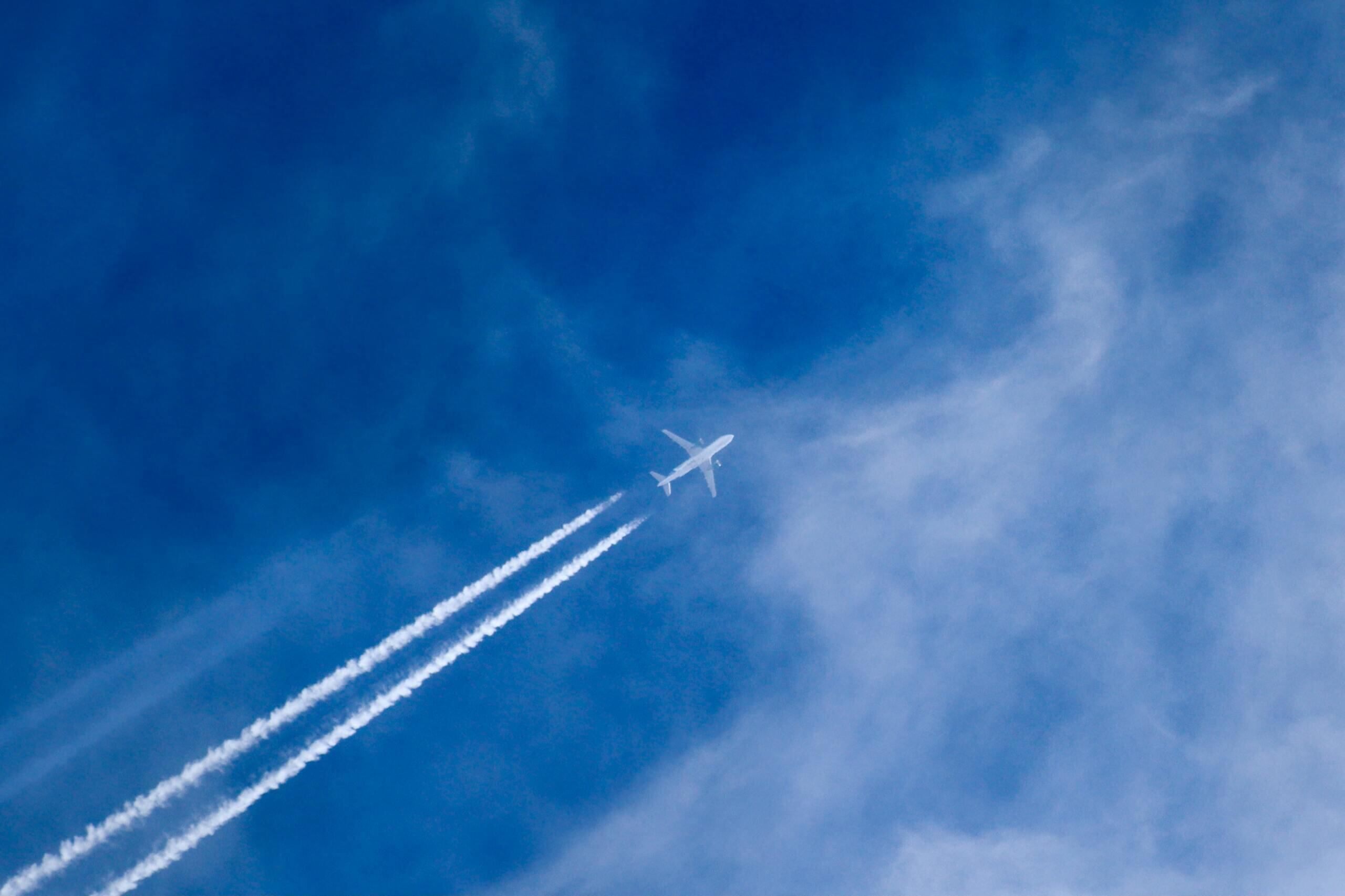
TAROM
Maximised Operational Efficiency Through Load Optimisation
Winner
Greatest CO2 Reduction
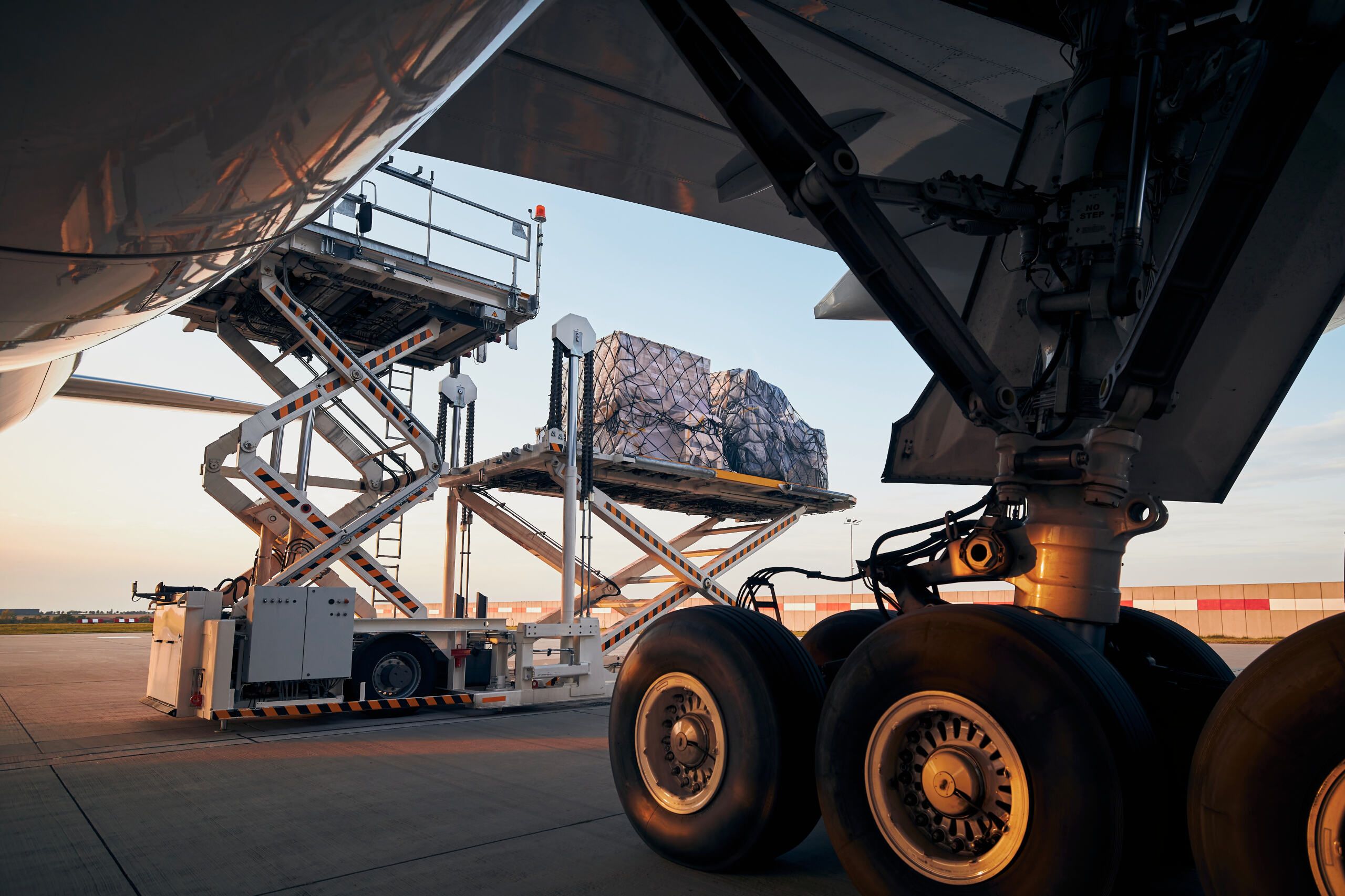
China Eastern
Improved Payload Fraction for Reduced Emissions
Winner
Lowest CO2 Emissions Ground Ops
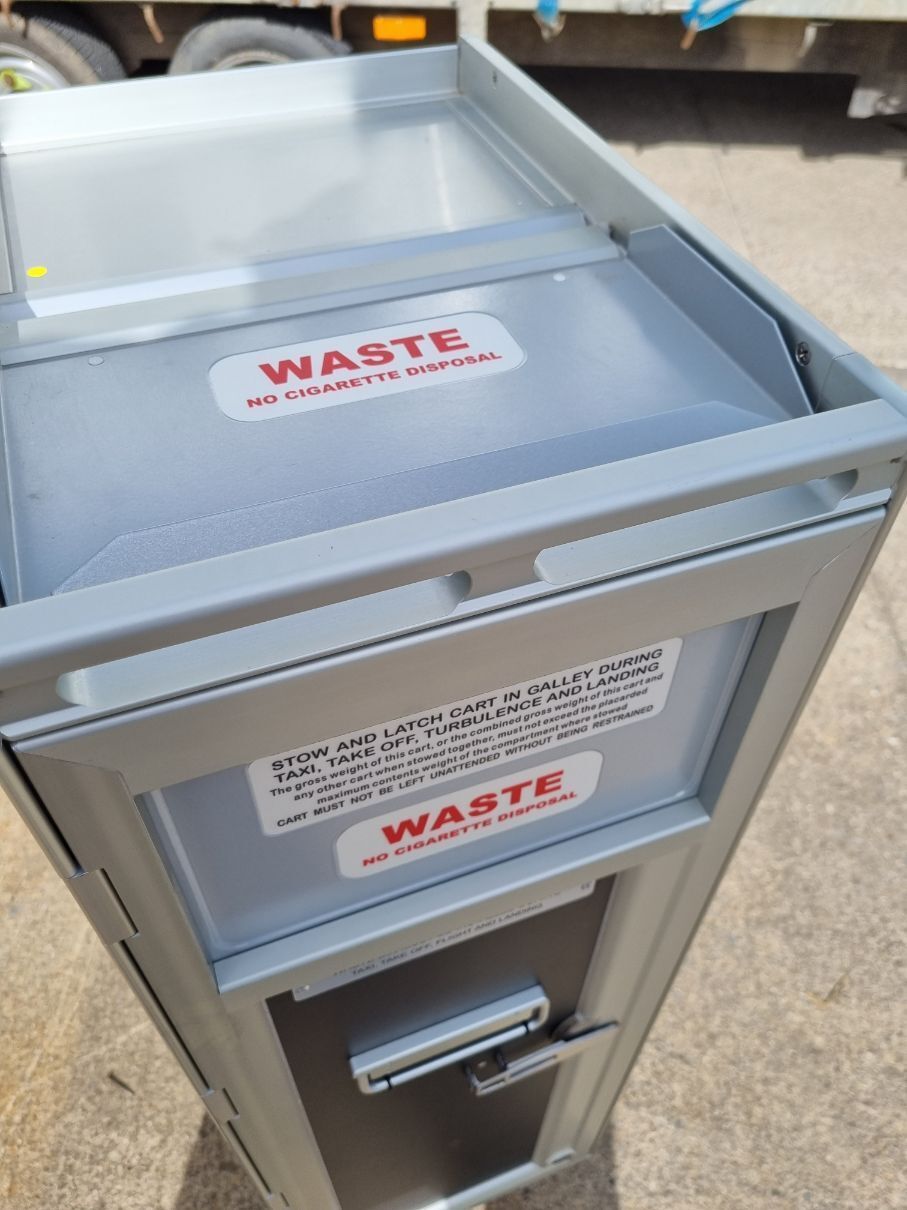
Air Europa
Electrified Ground Support Equipment
Winner
Best Inflight Waste Management
KLM Cityhopper
Waste Cut to 62g per Passenger
Winner
Best Innovation
Kenya Airways
Pioneering the Use of SAF in Africa
Winner
Best Adoption
KLM
Most TAC Solutions Adopted

What Were The Rules

  • The TAC flights took place in the last two weeks of May – from 15th to 28th May.

  • Only solutions that were implemented in TAC were eligible for Awards.

  • Flights were to be round-trips, including turnaround, using an existing route.

  • The round-trip flight had to be a subsequent flight with the same registered aircraft (if operationally possible).

  • The scope for the Flight Impact Awards covered “below the wing” ground operations and flight operations.

  • Short Haul flight submissions were only eligible when the destination could not be reached by alternative transportation within 4.5 hours (measured from airport to airport.

  • There were two main Award types: ‘Flight Impact Awards’ (focused on sustainability impact) and ’Challenge Contribution Awards’ (focused on adoption, innovation and collaboration).

  • There were subcategories for both “Flight Impact Awards” and “Challenge Contribution Awards”. Airlines are encouraged to participate in multiple categories.


Who Was Our Jury
Testimonial
Play

Footnotes:
  1. All averages were computed from the arithmetic mean of all metric values per airline/haul combination and are unweighted with respect to total CO₂, RTK, stage length, etc.
  2. Own baselines consist of the averages of approximately 50 flights per airline operated with the same aircraft type and distance band in April 2022.
  3. The average CO₂/RTK of the 22 TAC flights is a combination of medium- and long-haul flights, both excluding and including the full effect of SAF in tank.
  4. The average CO₂ emission reduction factor is based on the specific fuel used on the five flights that uplifted SAF.
  5. Ground emissions of the 14 flights participating in the “lowest CO₂ ground” category were compared using APU (4.75 gCO₂/RPK) vs APU alternatives (10.84 gCO₂/RPK).
  6. On average per passenger over the 22 TAC flights, including meals, snacks, and beverages.
  7. Average waste per passenger from 14 TAC flights participating in the “best waste management” category (0.28 kg/pax) compared to IATA’s 2019 Cabin Waste Handbook (1.43 kg/pax). May not be fully comparable due to differences in study criteria (e.g., untouched food, liquids, and cleaning waste).