2025 Winner: Most Impactful Solution FlightOps
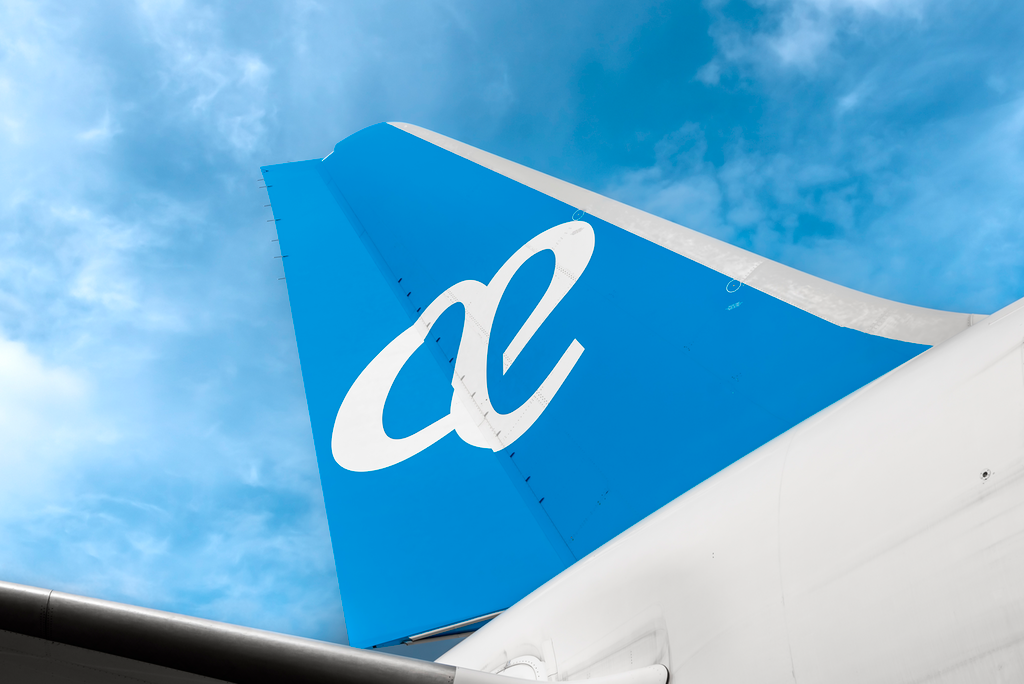
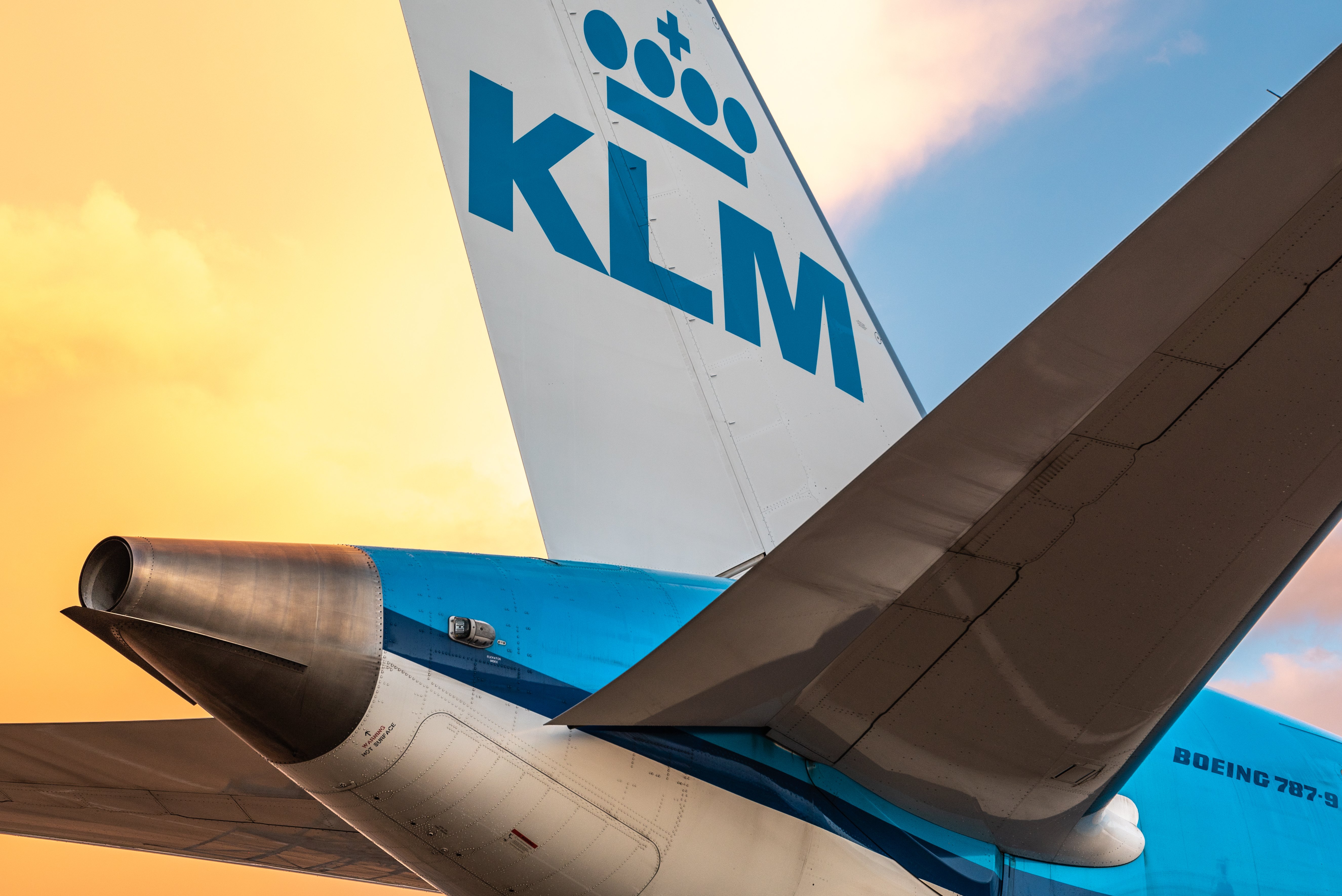
Awarded The Most Impactful Solution – Flight Operations by the 2025 The Aviation Challenge, Air Europa implemented an integrated flight optimization approach that combines AI-powered OptiClimb climb management, performance-based aircraft allocation, and real-time flight planning using updated operational and meteorological data. The initiative targets reductions in fuel burn and emissions while improving operational performance through coordinated technical and procedural changes.
Implementation Process: Fleet-wide Deployment of AI-Driven Climb and Flight Planning Systems
in 2025, Air Europa transitioned its integrated flight optimization strategy from pilot phase to full deployment across its Boeing 737 and 787 fleets. The implementation combined three operational components: OptiClimb technology for climb phase adjustments, performance-based aircraft allocation, and real-time flight planning integrating live meteorological and aircraft performance data.
The rollout required coordinated action between flight operations, maintenance, and performance engineering teams to align flight procedures, aircraft performance parameters, and system interfaces. AI-driven climb optimization recommendations were embedded into standard flight planning workflows, with procedural updates integrated into the flight management system. Dedicated crew training ensured full familiarization prior to fleet-wide standardization.
By October 2025, more than 95% of flights were executed using AI-supported climb optimization within dynamic flight planning processes. The transition established the solution as standard operating practice across scheduled operations, delivering a reported 1.5–2.5% reduction in fuel burn per flight and a 1.2% improvement in on-time performance under variable weather conditions.
Measurable Impact: Network-Scale Environmental and Efficiency Results
Environmental Impact
Between November 2024 and October 2025, the full implementation of the integrated flight optimization process generated an estimated annual saving of 3,000 tons of fuel, corresponding to more than 10,000 tons of CO₂ emissions avoided. OptiClimb contributed average fuel savings of 80 - 120 kilograms per flight, depending on aircraft type, route, and meteorological conditions. More than 60,000 flights across the network applied AI-guided climb recommendations and real-time flight planning updates during the challenge period. Climb-phase efficiency improved by 2.1%, with smoother climb profiles also contributing to engine life preservation.
Operational and Financial Impact
Operational data show an average reduction of 0.5 minutes in flight time per sector. The combined efficiency gains translated into annual cost savings exceeding €3 million. Reported improvements also included enhanced punctuality and reliability. All results were validated through the airline’s fuel monitoring system and corroborated by the performance engineering team.
Practical Lessons: Scaling Data-Driven Optimization
In the Spring of 2025, this innovation was in initial implementation. By the Fall of 2025, it was fully deployed and embedded into standard operations across the Boeing 737 and 787 fleets, demonstrating a structured transition from limited application to network-wide integration.
This innovation underlines the role of continuous flight data analysis and cross-functional collaboration in sustaining reductions in fuel burn, CO₂, NOx, CO, and UHC, alongside punctuality and cost improvements. It also illustrates a feasible pathway for scaling AI-supported flight optimization from pilot phase to operational standard under validated monitoring.

2025 Winner: Most Compelling Story
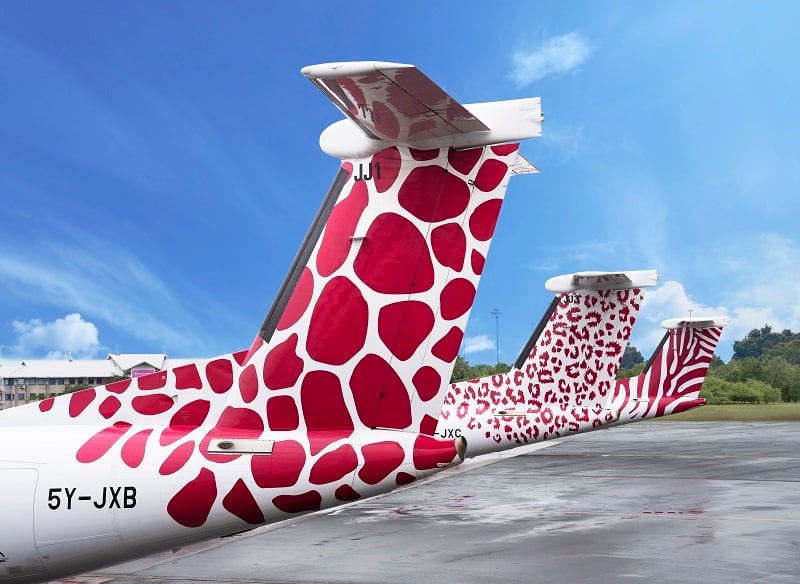
Jambojet initially organized beach cleanups along the Kenyan coast to remove plastic waste from coastal environments. However, the effort remained linear, as the collected waste was sorted and ultimately discarded. Through the collaboration with Plastiki Rafiki club, a non-profit student-led club at the International School of Kenya (ISK), the initiative evolved from simple waste collection into a small circular system linking environmental action with community participation, demonstrating how plastic waste could be repurposed instead of disposed of.
Plastic waste collected from beach cleanups and Jambojet’s flight operations was transformed into upcycled items such as fridge magnets and keychains by ISK students from PlastikiRafiki club working with artisans from the Mathare community in Nairobi. To ensure the continuous supply of the plastic, employees from Jambojet were encouraged to bring waste plastics from their houses, and Progressive Welfare Association of Malindi (PWAM), partnership with Jambojet, ensured continuous coastal cleanups, supporting the recycling process.
Overall, there have been over 1,000 kg of plastic diverted from landfills. 10 ISK students gained hands-on sustainability experience, and 15 Mathare artisans earned income themselvesby contributing to the sustainability initiative. Every magnet or keychain handed to a passenger represents a cleaner ocean and a more connected community, proving that Jambojet has successfully shifted the initiative from normal beach cleanups to innovative circular movement.
Multi-Stakeholder Involvement in the Initiative Transformation Process
To expand the initiative beyond isolated cleanup activities, Jambojet engaged multiple stakeholder groups across the airline’s operations and surrounding communities. ISK students from Plastiki Rafiki contributed ideas for repurposing plastic waste, while artisans from the Mathare community in Nairobi transformed collected plastics into upcycled items such as magnets and keychains.
Within the airline, Jambojet employees participated by collecting plastic waste and volunteering in cleanup activities. At airports, passengers were invited to take part through transparent recycling bins where plastic bottles could be deposited for souvenir manufacturing. By connecting students, local artisans, employees, and passengers within a single recycling process, the initiative demonstrated how collaborative action can turn waste management into a shared sustainability effort.
Community Participation as a Driver of Circular Initiatives
The partnership of Jambojet with Plastiki Rafiki illustrates how sustainability initiatives can gain traction when multiple stakeholder groups are actively involved. By combining the ideas of students, the craftsmanship of artisans from the Mathare community, and the participation of employees and passengers, the initiative shows how small-scale actions can contribute to broader environmental awareness and local economic opportunities.
The experience also encouraged Jambojet to explore additional reuse initiatives, such as producing bag tags from retired seat covers and laptop sleeves from repurposed billboards. More broadly, the case offers insight for the aviation sector by demonstrating how waste reduction efforts can be connected with community participation and circular reuse practices. It suggests that sustainability initiatives can extend beyond operational measures by engaging employees, passengers, and local communities in practical reuse activities.

2025 Winner: Best In-depth Article or Report
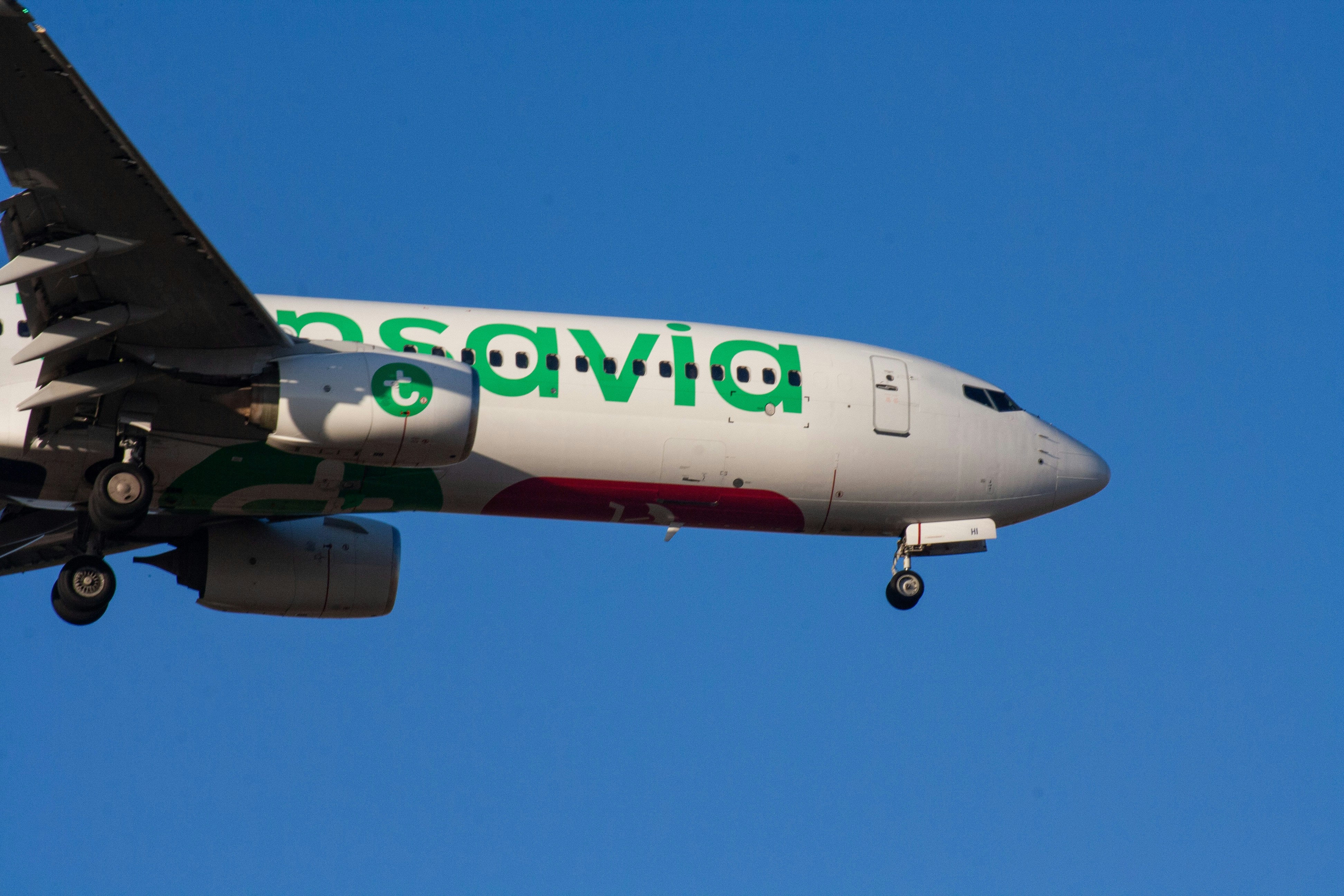
NOx and aircraft noise are no longer peripheral issues in aviation sustainability. For airlines such as Transavia, they directly shape regulatory exposure, airport access, community acceptance, and the credibility of broader environmental claims. Through its research report developed with TU Delft, Transavia shifted NOx and noise from abstract side effects of flying into operational risks that can be addressed through practical measures, moving non-CO₂ impacts from general concern to actionable strategy.
Implementation: Changing How Aircraft Are Used, Not Just What They Emit
The report shows that the most credible reductions come from better fleet use and better operating choices.
Together, these measures show that non-CO₂ progress does not depend only on waiting for future aircraft. It can also come from using current aircraft more intelligently.
Additionally, the report makes clear through stakeholder analysis that implementation is not purely technical. Airports, ground personnel, and engine manufacturers emerge as supportive actors, while near-airport communities and NGOs remain influential but critical voices in how these efforts are received and advanced.
That matters because the success of non-CO₂ mitigation depends not only on what an airline can model or certify, but on how well it can coordinate with the stakeholders who enable, scrutinize, or experience the outcome.
Measuring Impact: Compliance Resilience And Emissions Performance Improvement
The clearest quantified result is Transavia’s fleet transition from the Boeing 737-800 to the Airbus A321neo. According to the report, that shift can reduce NOx emissions by up to 35 percent and noise by about 7 dB. Those figures are not just technical improvements. They show that aircraft choice can materially lower both local pollution and community exposure before additional interventions are layered on top.
The selected mitigation measures also matter because they were filtered for feasibility, not just theoretical benefit. The study in the report concludes that route-aircraft optimization, winglet retrofitting, and N-1 taxiing are among the most effective and feasible options, and that they are technically viable, financially attractive, and scalable in the short to medium term. Although the gains are more incremental, they still carry operational value. For example, N-1 taxiing directly reduces NOx within the regulated LTO phase and can lower fee exposure without major capital investment, which makes it more than a procedural tweak. It becomes a compliance and cost-management tool as well.
Industry Insights: Non-CO₂ Progress Comes From Operational Discipline As Much As Technology
Learning from Transavia’s report, aviation’s non-CO₂ challenge will not be solved by future technology alone. It also depends on how well airlines use the aircraft, procedures, and stakeholder relationships they already have.
Transavia shows that when NOx and noise are treated as operationally manageable problems, airlines can begin reducing them through smarter planning, targeted retrofits, and disciplined ground procedures. In that sense, the path beyond CO₂ is not only about invention. It is also about execution.

2025 Winner: Sustainability Training & Development
Before 2025, Air Europa’s sustainability training primarily focused on environmental management and regulatory compliance, providing limited coverage of broader ESG topics and leaving gaps in how sustainability was applied in daily operations. To address this limitation, the airline launched a redesigned Sustainability Training Program in 2025 with a comprehensive ESG focus aimed at embedding sustainability across all areas of the airline division.
The mandatory program covers all employees, including office staff, flight crews and maintenance teams, and combines online learning modules with in-person workshops to strengthen engagement and practical understanding. By expanding training beyond environmental compliance to include social and governance dimensions, the initiative helps employees better understand their role in achieving the company’s environmental and social goals.
This effort reflects Air Europa’s attempt to strengthen sustainability education as part of its corporate culture, embedding ESG awareness into employee learning and daily operations. The initiative was recognized when the airline was named the winner of the 2025 The Aviation Challenge award in the Sustainability Training and Development category.
Hybrid Sustainability Training: From Theory to Operational Practice
To make sustainability training more engaging and applicable to aviation operations, Air Europa designed the program as a hybrid learning system that combines digital education with practical operational training.
The digital modules introduce key sustainability concepts and topics such as circular economy, climate change, biodiversity, human rights, diversity and inclusion, workplace safety and sustainable business practices. To strengthen engagement and knowledge retention, the training incorporates interactive materials, videos, real case studies, and short quizzes throughout the course.
In addition to digital learning, the Environmental Sustainability team conducts in-person workshops for flight and maintenance crews. These sessions focus on practical demonstrations and open discussions addressing real operational challenges, such as onboard waste segregation. Additional onsite training is also organized at maintenance hangars and crew bases to reinforce proper waste management practices and responsible resource use in high-impact operational environments.
By linking theoretical learning with operational training, the program helps translate sustainability principles into daily actions across departments. Additionally, in order to ensure the program to continue evolving while strengthening sustainability awareness and operational practices across the organization, learning outcomes are monitored through feedback surveys from each participant and participation tracking.
Cultural Impact: Shifting Sustainability from Compliance to Daily Practice
The Sustainability Training Program has helped shift employee perception of sustainability from a corporate requirement to a shared value guiding everyday decisions across the organization. By December 2025, 75% of employees had completed the training, with full participation expected by the end of 2025.
As sustainability awareness increased, operational teams began translating the training into practical actions. Flight and maintenance crews became more proactive in waste segregation and reducing single use materials, while office teams increasingly incorporated sustainability considerations into project planning and procurement processes.
Employee surveys also indicate stronger engagement with Air Europa’s sustainability strategy and related initiatives, including The Aviation Challenge and operational efficiency programs, with the company’s commitment to sustainability receiving an average employee rating of 8.07 out of 10. These changes reflect a broader cultural shift across the organization, where sustainability is increasingly viewed as an integral part of the company’s identity and long-term operational performance.

2025 Winner: Most Impactful Solution MRO
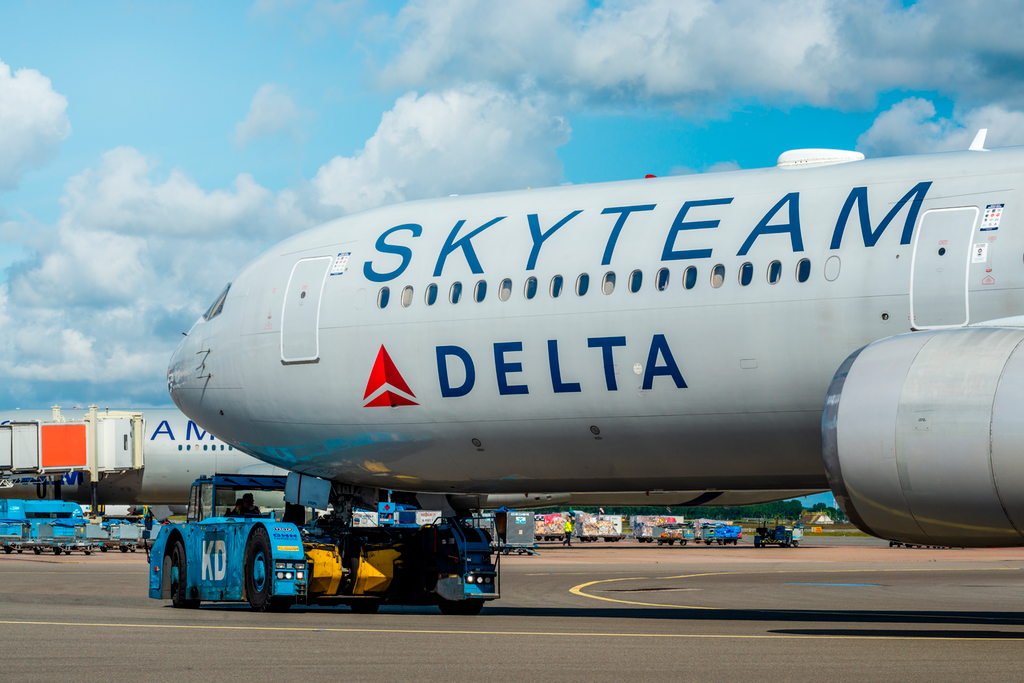
In 2025, Delta deployed foam engine core washing across seven stations in North and South America. The maintenance-based intervention reduced annual fuel burn by 1.4 million gallons while supporting reliability and maintenance performance.
Implementation Process: Deployment and Station-Level Activation
The engine foam wash program was implemented in collaboration with AeroCore, working with Delta’s Propulsion Engineering and Line Maintenance teams to develop fleet- and station-specific procedures. Following trials, tooling development, and certification for each engine fleet, deployment was prepared across selected stations.
AeroCore provided the required equipment on site, performing the wash at the gate or remote pad, with Delta technicians supporting engine access and idling. The process usednucleated foam technology that enables detergent to adhere to airfoil surfaces and penetrate deeper into the engine core. Fleet-specific tooling, developed by Delta Engineering, ensures the wash is conducted without introducing cabin odors.
Before activation at each station, Delta reviewed network deployment plans and maintenance presence, engaging local Delta and municipal leaders where required. A joint activation plan between Delta and AeroCore addressed regulatory requirements, weather conditions, and operational constraints prior to rollout.
Measurable Impact: Operational Integration and Network Expansion
Operational Impact
In 2025, 7 key stations conducted approximately 75% of all engine core washes, with over 3,300 washes completed. Three additional stations are in the process of activation, and one is under review for 2026. Once active, the foam wash process is expected to become the primary engine wash program for Delta TechOps.
Environmental Impact
Replacing the traditional water wash program results in fuel savings of up to 4 million gallons per year, directly reducing carbon emissions, operating costs, and demand on natural resources. Additionally, all wash effluent is captured and treated in compliance with local regulations to protect local water systems.
Additional Impact: Operational Integration and Cross-Functional Coordination
The program embedded fleet-specific procedures, tooling, and certification into routine maintenance operations through structured collaboration between AeroCore and Delta Engineering and Line Maintenance teams.
Industry Learnings: Scaling Engine Core Cleaning in MRO Operations
This case innovation demonstrates how engine core washing, implemented through routine maintenance, can meaningfully reduce fuel burn and associated emissions from flight operations. Expansion to additional stations and evaluation of further use cases reflect a deliberate, stepwise approach to embedding proven, high-impact MRO practices into standard operating procedures.
Delta’s case provides a practical example of how engine washing can be structured, certified, and scaled within regular maintenance operations, while leaving room for further expansion and potential environmental performance gains.

2025 Winner: Best Cross-Industry Collaboration
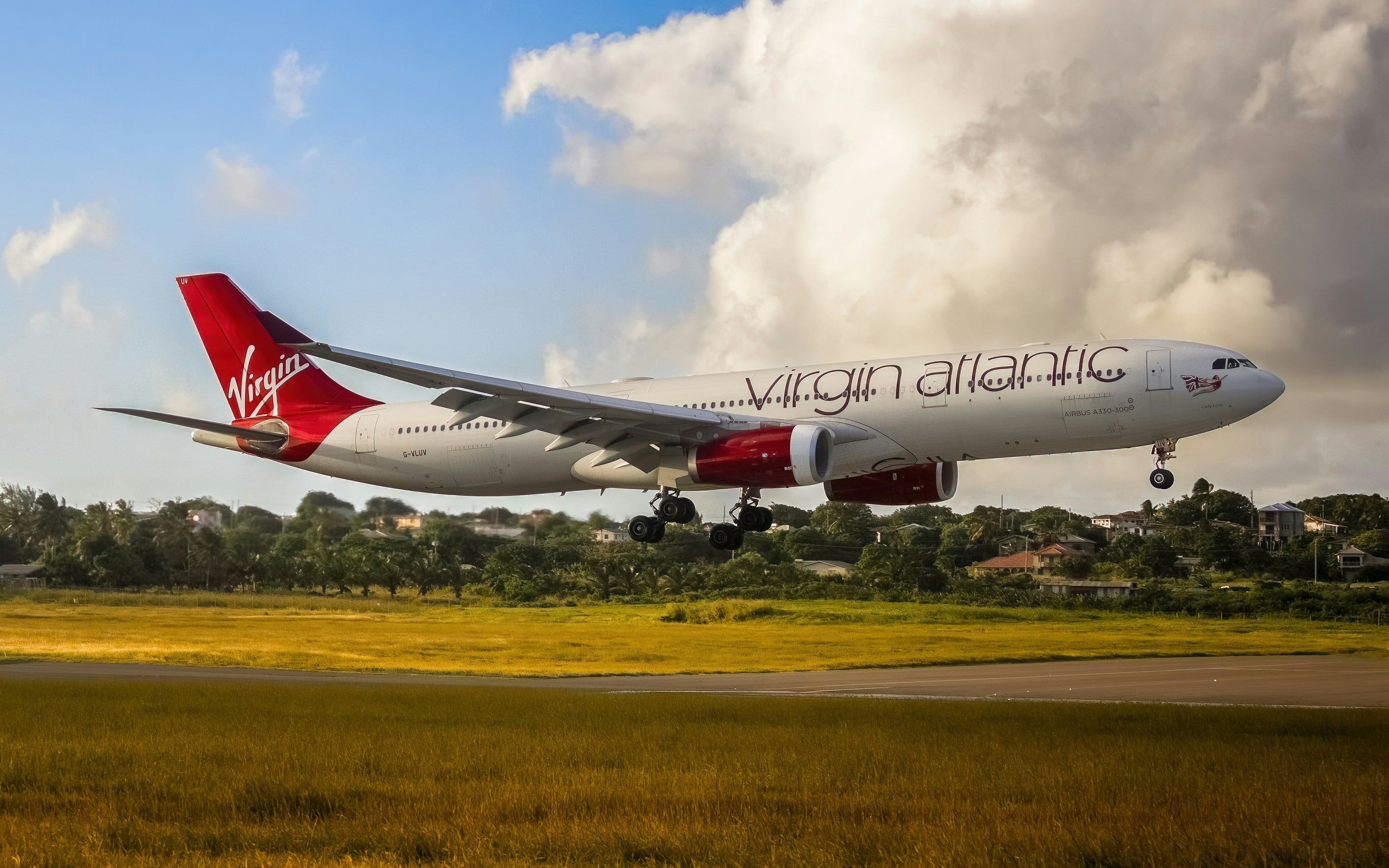
Under the SESAR program, Virgin Atlantic successfully conducted flight trials marking the beginning of operations, enabling progression towards future Wake Energy Retrieval (WER) capability — a concept in which one aircraft can safely fly within the aerodynamic wake of another to reduce fuel burn and emissions. While previously studied in simulations, this trial marked a critical shift from theory to real-world application.
The ambition was both simple and complex: to synchronize two commercial aircraft, operated by different airlines and departing from different airports, to meet at the same waypoint over the Atlantic at the same time. Achieving this required precise coordination across flight planning, air traffic control, and airline operations — all within existing regulatory and safety frameworks.
Between September and October 2025, 14 flights were planned, with six successfully completed. Virgin Atlantic operated four of these successful trials, with aircraft departing from London Heathrow and synchronizing in real time with partner flights from Paris and Amsterdam. These flights demonstratedthat formation-based operations could be executed safely and effectively within today’s aviation systems.
Implementation Process
The collaboration brought together airlines, manufacturers, and air navigation service providers to test how formation-based flight operations could be implemented in real-world conditions.
Cross-Industry Coordination and Operational Execution
A significant amount of manual coordination was required during the flight trials, with all stakeholders working closely together to determine the requirements for future implementation.
Replication and Scalability Consideration
Although the trials were conducted over the North Atlantic, the implementation was designed withglobal replication in mind. The procedures, communication protocols, and decision-support tools validated with Virgin Atlantic and its partners provide a structural approach that can be adaptable across different regions and traffic environments.
A key enabler of this scalability is the digital synchronization tool developed by Airbus and Eurocontrol to support collaboration between all partners. Integrated within Europe’s Network Manager platform, the tool provides a foundation that can be transferred to other regional air traffic management systemswithout major infrastructural change, offering a pathway toward harmonized international deployment.
By combining standardized operational procedures with shared digital tools, this approach demonstrates how formation-based flight operations can be implemented across regions, fleets, and air navigation service providers using a common coordination framework.
Measuring Impact
The trial demonstrated that complex multi-party communication and flight synchronization can be achieved safely and effectively in real-time within existing operational and regulatory frameworks.
The environmental potential is significant. Drawing on prior research, Wake Energy Retrieval could deliver up to 5% reductions in fuel burn and CO₂ emissions per flight, alongside additional benefits such as reduced contrail formation and improved aerodynamic efficiency.
Beyond emissions, the initiative also delivered meaningful operational impact. It strengthened trust and understanding across industry stakeholders, providing new insight into how airlines, manufacturers, and air navigation providers can work together more effectively. These learnings are now informing future programs, including SESAR’s GEESE project, and contributing to the development of global standards for formation-based flight.
Ultimately, this work reframes how progress can be achieved. It shows that while new technologiesremain essential, there is also immediate opportunity in how the industry operates today. By aligning systems, sharing data, and coordinating more intelligently, aviation can unlock measurable emissions reductions now.

2025 Winner: Most Impactful Solution FlightOps
Awarded The Most Impactful Solution – Flight Operations by the 2025 The Aviation Challenge, Air Europa implemented an integrated flight optimization approach that combines AI-powered OptiClimb climb management, performance-based aircraft allocation, and real-time flight planning using updated operational and meteorological data. The initiative targets reductions in fuel burn and emissions while improving operational performance through coordinated technical and procedural changes.
Implementation Process: Fleet-wide Deployment of AI-Driven Climb and Flight Planning Systems
in 2025, Air Europa transitioned its integrated flight optimization strategy from pilot phase to full deployment across its Boeing 737 and 787 fleets. The implementation combined three operational components: OptiClimb technology for climb phase adjustments, performance-based aircraft allocation, and real-time flight planning integrating live meteorological and aircraft performance data.
The rollout required coordinated action between flight operations, maintenance, and performance engineering teams to align flight procedures, aircraft performance parameters, and system interfaces. AI-driven climb optimization recommendations were embedded into standard flight planning workflows, with procedural updates integrated into the flight management system. Dedicated crew training ensured full familiarization prior to fleet-wide standardization.
By October 2025, more than 95% of flights were executed using AI-supported climb optimization within dynamic flight planning processes. The transition established the solution as standard operating practice across scheduled operations, delivering a reported 1.5–2.5% reduction in fuel burn per flight and a 1.2% improvement in on-time performance under variable weather conditions.
Measurable Impact: Network-Scale Environmental and Efficiency Results
Environmental Impact
Between November 2024 and October 2025, the full implementation of the integrated flight optimization process generated an estimated annual saving of 3,000 tons of fuel, corresponding to more than 10,000 tons of CO₂ emissions avoided. OptiClimb contributed average fuel savings of 80 - 120 kilograms per flight, depending on aircraft type, route, and meteorological conditions. More than 60,000 flights across the network applied AI-guided climb recommendations and real-time flight planning updates during the challenge period. Climb-phase efficiency improved by 2.1%, with smoother climb profiles also contributing to engine life preservation.
Operational and Financial Impact
Operational data show an average reduction of 0.5 minutes in flight time per sector. The combined efficiency gains translated into annual cost savings exceeding €3 million. Reported improvements also included enhanced punctuality and reliability. All results were validated through the airline’s fuel monitoring system and corroborated by the performance engineering team.
Practical Lessons: Scaling Data-Driven Optimization
In the Spring of 2025, this innovation was in initial implementation. By the Fall of 2025, it was fully deployed and embedded into standard operations across the Boeing 737 and 787 fleets, demonstrating a structured transition from limited application to network-wide integration.
This innovation underlines the role of continuous flight data analysis and cross-functional collaboration in sustaining reductions in fuel burn, CO₂, NOx, CO, and UHC, alongside punctuality and cost improvements. It also illustrates a feasible pathway for scaling AI-supported flight optimization from pilot phase to operational standard under validated monitoring.

2025 Winner: Most Compelling Story
Jambojet initially organized beach cleanups along the Kenyan coast to remove plastic waste from coastal environments. However, the effort remained linear, as the collected waste was sorted and ultimately discarded. Through the collaboration with Plastiki Rafiki club, a non-profit student-led club at the International School of Kenya (ISK), the initiative evolved from simple waste collection into a small circular system linking environmental action with community participation, demonstrating how plastic waste could be repurposed instead of disposed of.
Plastic waste collected from beach cleanups and Jambojet’s flight operations was transformed into upcycled items such as fridge magnets and keychains by ISK students from PlastikiRafiki club working with artisans from the Mathare community in Nairobi. To ensure the continuous supply of the plastic, employees from Jambojet were encouraged to bring waste plastics from their houses, and Progressive Welfare Association of Malindi (PWAM), partnership with Jambojet, ensured continuous coastal cleanups, supporting the recycling process.
Overall, there have been over 1,000 kg of plastic diverted from landfills. 10 ISK students gained hands-on sustainability experience, and 15 Mathare artisans earned income themselvesby contributing to the sustainability initiative. Every magnet or keychain handed to a passenger represents a cleaner ocean and a more connected community, proving that Jambojet has successfully shifted the initiative from normal beach cleanups to innovative circular movement.
Multi-Stakeholder Involvement in the Initiative Transformation Process
To expand the initiative beyond isolated cleanup activities, Jambojet engaged multiple stakeholder groups across the airline’s operations and surrounding communities. ISK students from Plastiki Rafiki contributed ideas for repurposing plastic waste, while artisans from the Mathare community in Nairobi transformed collected plastics into upcycled items such as magnets and keychains.
Within the airline, Jambojet employees participated by collecting plastic waste and volunteering in cleanup activities. At airports, passengers were invited to take part through transparent recycling bins where plastic bottles could be deposited for souvenir manufacturing. By connecting students, local artisans, employees, and passengers within a single recycling process, the initiative demonstrated how collaborative action can turn waste management into a shared sustainability effort.
Community Participation as a Driver of Circular Initiatives
The partnership of Jambojet with Plastiki Rafiki illustrates how sustainability initiatives can gain traction when multiple stakeholder groups are actively involved. By combining the ideas of students, the craftsmanship of artisans from the Mathare community, and the participation of employees and passengers, the initiative shows how small-scale actions can contribute to broader environmental awareness and local economic opportunities.
The experience also encouraged Jambojet to explore additional reuse initiatives, such as producing bag tags from retired seat covers and laptop sleeves from repurposed billboards. More broadly, the case offers insight for the aviation sector by demonstrating how waste reduction efforts can be connected with community participation and circular reuse practices. It suggests that sustainability initiatives can extend beyond operational measures by engaging employees, passengers, and local communities in practical reuse activities.

2025 Winner: Best In-depth Article or Report
NOx and aircraft noise are no longer peripheral issues in aviation sustainability. For airlines such as Transavia, they directly shape regulatory exposure, airport access, community acceptance, and the credibility of broader environmental claims. Through its research report developed with TU Delft, Transavia shifted NOx and noise from abstract side effects of flying into operational risks that can be addressed through practical measures, moving non-CO₂ impacts from general concern to actionable strategy.
Implementation: Changing How Aircraft Are Used, Not Just What They Emit
The report shows that the most credible reductions come from better fleet use and better operating choices.
Together, these measures show that non-CO₂ progress does not depend only on waiting for future aircraft. It can also come from using current aircraft more intelligently.
Additionally, the report makes clear through stakeholder analysis that implementation is not purely technical. Airports, ground personnel, and engine manufacturers emerge as supportive actors, while near-airport communities and NGOs remain influential but critical voices in how these efforts are received and advanced.
That matters because the success of non-CO₂ mitigation depends not only on what an airline can model or certify, but on how well it can coordinate with the stakeholders who enable, scrutinize, or experience the outcome.
Measuring Impact: Compliance Resilience And Emissions Performance Improvement
The clearest quantified result is Transavia’s fleet transition from the Boeing 737-800 to the Airbus A321neo. According to the report, that shift can reduce NOx emissions by up to 35 percent and noise by about 7 dB. Those figures are not just technical improvements. They show that aircraft choice can materially lower both local pollution and community exposure before additional interventions are layered on top.
The selected mitigation measures also matter because they were filtered for feasibility, not just theoretical benefit. The study in the report concludes that route-aircraft optimization, winglet retrofitting, and N-1 taxiing are among the most effective and feasible options, and that they are technically viable, financially attractive, and scalable in the short to medium term. Although the gains are more incremental, they still carry operational value. For example, N-1 taxiing directly reduces NOx within the regulated LTO phase and can lower fee exposure without major capital investment, which makes it more than a procedural tweak. It becomes a compliance and cost-management tool as well.
Industry Insights: Non-CO₂ Progress Comes From Operational Discipline As Much As Technology
Learning from Transavia’s report, aviation’s non-CO₂ challenge will not be solved by future technology alone. It also depends on how well airlines use the aircraft, procedures, and stakeholder relationships they already have.
Transavia shows that when NOx and noise are treated as operationally manageable problems, airlines can begin reducing them through smarter planning, targeted retrofits, and disciplined ground procedures. In that sense, the path beyond CO₂ is not only about invention. It is also about execution.

2025 Winner: Sustainability Training & Development
Before 2025, Air Europa’s sustainability training primarily focused on environmental management and regulatory compliance, providing limited coverage of broader ESG topics and leaving gaps in how sustainability was applied in daily operations. To address this limitation, the airline launched a redesigned Sustainability Training Program in 2025 with a comprehensive ESG focus aimed at embedding sustainability across all areas of the airline division.
The mandatory program covers all employees, including office staff, flight crews and maintenance teams, and combines online learning modules with in-person workshops to strengthen engagement and practical understanding. By expanding training beyond environmental compliance to include social and governance dimensions, the initiative helps employees better understand their role in achieving the company’s environmental and social goals.
This effort reflects Air Europa’s attempt to strengthen sustainability education as part of its corporate culture, embedding ESG awareness into employee learning and daily operations. The initiative was recognized when the airline was named the winner of the 2025 The Aviation Challenge award in the Sustainability Training and Development category.
Hybrid Sustainability Training: From Theory to Operational Practice
To make sustainability training more engaging and applicable to aviation operations, Air Europa designed the program as a hybrid learning system that combines digital education with practical operational training.
The digital modules introduce key sustainability concepts and topics such as circular economy, climate change, biodiversity, human rights, diversity and inclusion, workplace safety and sustainable business practices. To strengthen engagement and knowledge retention, the training incorporates interactive materials, videos, real case studies, and short quizzes throughout the course.
In addition to digital learning, the Environmental Sustainability team conducts in-person workshops for flight and maintenance crews. These sessions focus on practical demonstrations and open discussions addressing real operational challenges, such as onboard waste segregation. Additional onsite training is also organized at maintenance hangars and crew bases to reinforce proper waste management practices and responsible resource use in high-impact operational environments.
By linking theoretical learning with operational training, the program helps translate sustainability principles into daily actions across departments. Additionally, in order to ensure the program to continue evolving while strengthening sustainability awareness and operational practices across the organization, learning outcomes are monitored through feedback surveys from each participant and participation tracking.
Cultural Impact: Shifting Sustainability from Compliance to Daily Practice
The Sustainability Training Program has helped shift employee perception of sustainability from a corporate requirement to a shared value guiding everyday decisions across the organization. By December 2025, 75% of employees had completed the training, with full participation expected by the end of 2025.
As sustainability awareness increased, operational teams began translating the training into practical actions. Flight and maintenance crews became more proactive in waste segregation and reducing single use materials, while office teams increasingly incorporated sustainability considerations into project planning and procurement processes.
Employee surveys also indicate stronger engagement with Air Europa’s sustainability strategy and related initiatives, including The Aviation Challenge and operational efficiency programs, with the company’s commitment to sustainability receiving an average employee rating of 8.07 out of 10. These changes reflect a broader cultural shift across the organization, where sustainability is increasingly viewed as an integral part of the company’s identity and long-term operational performance.

2025 Winner: Most Impactful Solution MRO
In 2025, Delta deployed foam engine core washing across seven stations in North and South America. The maintenance-based intervention reduced annual fuel burn by 1.4 million gallons while supporting reliability and maintenance performance.
Implementation Process: Deployment and Station-Level Activation
The engine foam wash program was implemented in collaboration with AeroCore, working with Delta’s Propulsion Engineering and Line Maintenance teams to develop fleet- and station-specific procedures. Following trials, tooling development, and certification for each engine fleet, deployment was prepared across selected stations.
AeroCore provided the required equipment on site, performing the wash at the gate or remote pad, with Delta technicians supporting engine access and idling. The process usednucleated foam technology that enables detergent to adhere to airfoil surfaces and penetrate deeper into the engine core. Fleet-specific tooling, developed by Delta Engineering, ensures the wash is conducted without introducing cabin odors.
Before activation at each station, Delta reviewed network deployment plans and maintenance presence, engaging local Delta and municipal leaders where required. A joint activation plan between Delta and AeroCore addressed regulatory requirements, weather conditions, and operational constraints prior to rollout.
Measurable Impact: Operational Integration and Network Expansion
Operational Impact
In 2025, 7 key stations conducted approximately 75% of all engine core washes, with over 3,300 washes completed. Three additional stations are in the process of activation, and one is under review for 2026. Once active, the foam wash process is expected to become the primary engine wash program for Delta TechOps.
Environmental Impact
Replacing the traditional water wash program results in fuel savings of up to 4 million gallons per year, directly reducing carbon emissions, operating costs, and demand on natural resources. Additionally, all wash effluent is captured and treated in compliance with local regulations to protect local water systems.
Additional Impact: Operational Integration and Cross-Functional Coordination
The program embedded fleet-specific procedures, tooling, and certification into routine maintenance operations through structured collaboration between AeroCore and Delta Engineering and Line Maintenance teams.
Industry Learnings: Scaling Engine Core Cleaning in MRO Operations
This case innovation demonstrates how engine core washing, implemented through routine maintenance, can meaningfully reduce fuel burn and associated emissions from flight operations. Expansion to additional stations and evaluation of further use cases reflect a deliberate, stepwise approach to embedding proven, high-impact MRO practices into standard operating procedures.
Delta’s case provides a practical example of how engine washing can be structured, certified, and scaled within regular maintenance operations, while leaving room for further expansion and potential environmental performance gains.

2025 Winner: Best Cross-Industry Collaboration
Under the SESAR program, Virgin Atlantic successfully conducted flight trials marking the beginning of operations, enabling progression towards future Wake Energy Retrieval (WER) capability — a concept in which one aircraft can safely fly within the aerodynamic wake of another to reduce fuel burn and emissions. While previously studied in simulations, this trial marked a critical shift from theory to real-world application.
The ambition was both simple and complex: to synchronize two commercial aircraft, operated by different airlines and departing from different airports, to meet at the same waypoint over the Atlantic at the same time. Achieving this required precise coordination across flight planning, air traffic control, and airline operations — all within existing regulatory and safety frameworks.
Between September and October 2025, 14 flights were planned, with six successfully completed. Virgin Atlantic operated four of these successful trials, with aircraft departing from London Heathrow and synchronizing in real time with partner flights from Paris and Amsterdam. These flights demonstratedthat formation-based operations could be executed safely and effectively within today’s aviation systems.
Implementation Process
The collaboration brought together airlines, manufacturers, and air navigation service providers to test how formation-based flight operations could be implemented in real-world conditions.
Cross-Industry Coordination and Operational Execution
A significant amount of manual coordination was required during the flight trials, with all stakeholders working closely together to determine the requirements for future implementation.
Replication and Scalability Consideration
Although the trials were conducted over the North Atlantic, the implementation was designed withglobal replication in mind. The procedures, communication protocols, and decision-support tools validated with Virgin Atlantic and its partners provide a structural approach that can be adaptable across different regions and traffic environments.
A key enabler of this scalability is the digital synchronization tool developed by Airbus and Eurocontrol to support collaboration between all partners. Integrated within Europe’s Network Manager platform, the tool provides a foundation that can be transferred to other regional air traffic management systemswithout major infrastructural change, offering a pathway toward harmonized international deployment.
By combining standardized operational procedures with shared digital tools, this approach demonstrates how formation-based flight operations can be implemented across regions, fleets, and air navigation service providers using a common coordination framework.
Measuring Impact
The trial demonstrated that complex multi-party communication and flight synchronization can be achieved safely and effectively in real-time within existing operational and regulatory frameworks.
The environmental potential is significant. Drawing on prior research, Wake Energy Retrieval could deliver up to 5% reductions in fuel burn and CO₂ emissions per flight, alongside additional benefits such as reduced contrail formation and improved aerodynamic efficiency.
Beyond emissions, the initiative also delivered meaningful operational impact. It strengthened trust and understanding across industry stakeholders, providing new insight into how airlines, manufacturers, and air navigation providers can work together more effectively. These learnings are now informing future programs, including SESAR’s GEESE project, and contributing to the development of global standards for formation-based flight.
Ultimately, this work reframes how progress can be achieved. It shows that while new technologiesremain essential, there is also immediate opportunity in how the industry operates today. By aligning systems, sharing data, and coordinating more intelligently, aviation can unlock measurable emissions reductions now.